Hey everyone, if you’ve ever had to step in when the power went out at a café, a small workshop, or even your own home, there’s a good chance a manual changeover switch was the unsung hero keeping things from getting way more chaotic. I’ve been selling manual changeover switches for almost 7 years now, and I can’t tell you how many times folks have come to me all like, “Wait, what even is that? And why do I need one?” Today, I’m breaking down all the actual, real-world uses of these switches—no boring textbook jargon, just straight-up stuff I’ve seen my customers rely on day in and day out. Manual Changeover Switch

First off, let’s keep this super simple: a manual changeover switch is basically a manual tool that lets you flip your power source between two different setups. No fancy auto-computer stuff here—you do it with a handle, which is why it’s called “manual” (duh). It’s not like a generator transfer switch that flips on its own during an outage; this is you getting out there, turning the lever, and keeping power flowing where it needs to go. And yeah, I sell these, but trust me—most of my best customers aren’t huge corporate facilities. They’re small business owners, electricians fixing a house, farm folks dealing with weather, and regular homeowners who’ve had enough of power outages ruining their week.
Let’s start with the most common use I see: small commercial and retail spaces, like the corner café down the street or a local boutique. Last month, a café owner in Detroit reached out to me because their old switch had crapped out during a winter storm a few months back. Let me set the scene: they make lattes, have walk-in fridges full of food, and point-of-sale systems that run on power. One night, a snowstorm knocked out the grid, and their old generator wouldn’t kick on right away. They tried plugging the generator into an extension cord and plugging it into the wall—total no-no. That backfed the power line, and when the utility guys came to fix the grid, they almost got shocked. (Major safety risk, y’all—don’t do that.) With a manual changeover switch, though, all they do is flip one lever from grid power to generator power, and boom—their fridge stays cold, their POS runs, and their espresso machine keeps pulling shots. When the grid comes back? Flip it back, no confusion, no safety headaches. I’ve got customers in bakeries, hair salons, even small gyms using these exact switches for the same reason: they can’t afford to lose power to their daily operations. One hour of downtime at a café can mean $1,000 in lost food and sales, easy. These switches eliminate that guesswork.
Next up, farm operations. Farmers deal with way more power-related chaos than most people realize. Let’s talk about a family-owned corn farm in Iowa I’ve worked with for years. Their barn has water pumps that keep their cattle from freezing in the winter, a grain dryer that has to run when they harvest corn, and a few small tools for fixing tractors. Last spring, a tornado took out a power line, and if their grain dryer had shut down, all $50,000 worth of corn would’ve gone bad (grain gets moldy fast when it’s not dried properly). Instead of panicking, their farm hand flipped their manual changeover switch to their 15kW generator, and the dryer kept running nonstop for 3 days until the grid was fixed. That’s the thing about farm life—you can’t wait around for utility companies. A manual switch is tough enough to handle dust, mud, and extreme temperatures, which is way better than flimsy auto switches that break if they get caked in dirt. I even sell weatherproof covers for these for folks out in the fields, so they can leave the switch outside without worrying about rain or snow messing it up.
Residential use is another big one, and not just for fancy mansions or anything. I’ve sold switches to regular homeowners who live in areas with super unreliable power—like the Pacific Northwest, where wind storms take out lines every few months, or the Southeast during hurricane season. Let’s say you have a sump pump in your basement (super important if you live in a flood zone) and a fridge, some lights, and a TV you don’t mind powering on a generator. A manual changeover switch lets you pick exactly which circuits get generator power—no need to run a cord through every room. One customer in Georgia told me last year, during Hurricane Ian, their power was out for 5 days. They flipped the switch to run their sump pump 24/7, their fridge, and a few lights for his kids. When he used a portable generator before, he had to run three separate extension cords all over his house, which was a fire hazard and a pain. These switches eliminate all that. And for older homeowners who aren’t super tech-savvy? The manual lever is way easier to use than a fancy app or a automatic switch that might glitch when the power goes out. No Wi-Fi needed, no batteries—just a lever you can yank or push when you’re stressed during a storm.
Wait, I can’t forget about construction sites, either. Construction crews live in places where power is only there temporarily, and they’re using big tools—welders, saws, concrete mixers—that need consistent power. A lot of sites use a manual changeover switch to toggle between the temporary grid power set up on the site and a mobile generator. Why? Because construction sites are rough—dust, debris, people moving around a lot. An auto switch might get damaged or stop working, but a manual one is built to take a beating. I’ve had a construction manager in Texas tell me he’s been using the same switch I sold him 5 years ago on three different projects, and it still works like a charm. He says he never has to worry about it breaking mid-job, which would cost him thousands in delays.
Then there’s backup power for critical medical equipment, which is a big one I don’t see enough people talking about. I’ve sold switches to small home healthcare providers who have clients relying on oxygen concentrators or nebulizers. If the grid goes out, even a 10-minute outage can be dangerous for someone with respiratory issues. A manual changeover switch lets them flip to a generator fast, without fumbling with cords or worrying about backfeeding. It’s not just for big hospitals—smaller care facilities and home users need these too. I make sure to explain to customers here that it’s not a DIY job for everyone—they should have an electrician install it, but once it’s up, it’s a simple flip lever to keep life-saving equipment running.
Another underrated use: small business events or pop-ups. Like, if you’re running a pop-up market, a food truck festival, or a temporary booth at a fair. You might have a generator set up for your lights and your display, and then when you’re done, or if you need to switch back to a temporary grid hook-up, a manual changeover switch makes that safe. A lot of pop-up organizers don’t realize that plugging a generator directly into the wall is against code and super dangerous, but a manual switch is code-compliant. I had a customer who ran a food truck at a festival last summer—he used his switch to toggle between his onboard generator and the festival’s temporary power when the lines went up. No fires, no codes being broken, and he could keep serving tacos all weekend.
Now, let’s get real for a second—why choose a manual switch over an automatic one? I get that automatic transfer switches are a thing, but they come with downsides. For one, they’re way more expensive. A good manual switch is like a fraction of the cost of a reliable auto one, which is huge for small businesses or homeowners on a budget. Also, automatic switches rely on power themselves—if the outage is so bad that the grid is out and your generator’s battery dies, the auto switch won’t work. A manual switch? You don’t need batteries, you don’t need power to operate it—you just need to be able to reach the lever. Plus, they’re simpler to troubleshoot. If something’s wrong with a manual switch, an electrician can usually figure it out in 10 minutes, no fancy diagnostic tools needed. I’ve had customers tell me they’d rather have a manual switch because they trust it more—no “is it going to work when I need it?” panic.
Wait, but I should also mention the big thing about safety, right? The number one rule with generators and power is backfeeding—when power from your generator flows back into the utility lines instead of just your home/business. That can kill utility workers trying to fix the grid, which is a huge, serious risk. A manual changeover switch is designed to lock out the other power source when you flip one lever—so when you’re on generator power, you can’t accidentally send power back to the grid, and vice versa. I always tell every customer, no matter what they’re using it for, to have a licensed electrician install it. Don’t try to do it yourself—safety isn’t worth cutting corners here.
Now, let’s wrap this up. If you’ve read this far, you probably get that manual changeover switches aren’t just some random electrical part—they’re a lifeline for small businesses, farms, homeowners dealing with bad storms, and anyone who can’t afford to lose power. I’ve been doing this for years, and the best part is hearing from customers who tell me my switch helped them keep their business running, save food, or keep their family safe during an outage.
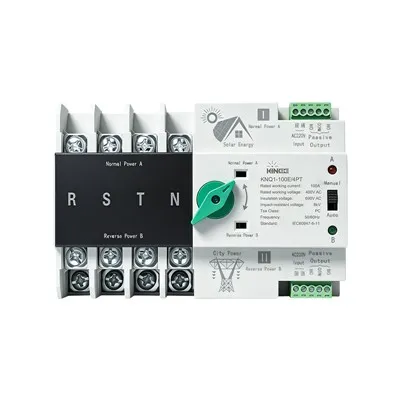
If you’re in the market for a manual changeover switch—whether you’re a small business owner, an electrician, a farmer, or just someone prepping for storm season—reach out to talk through your needs. We can help you pick the right size, the right rating for your power needs, and even point you to trusted electricians in your area if you’re not sure about installation. No pushy sales stuff, just straight answers and a switch that works when you need it most.
Enclosure Lighting References
- National Electrical Code (NEC) Article 702: Required Backup Systems for Emergency and Legally Standby Power
- Occupational Safety and Health Administration (OSHA): Electrical Safety Guidelines for Portable Generator Use
- Farm Safety 4 Just Kids: Electrical Safety for Agricultural Operations
- U.S. Department of Energy: Backup Power Options for Residential and Small Commercial Applications
Wenzhou Kinee Electrical Co., Ltd.
We are one of the most professional manual changeover switch manufacturers and suppliers in China, featured by quality products and good price. Please rest assured to buy advanced manual changeover switch made in China here from our factory. We also accept customized orders.
Address: Unit 1, Building 31, Wenzhou Wenbo Science and Technology Industrial Park, No. 706 Yanyun Road, Lingkun Street, Oujiangkou Industrial Cluster Area, Wenzhou, Zhejiang Province
E-mail: sandyma@kinee.net
WebSite: https://www.kinee.net/
