If you’ve ever stood on a coastal pier at dawn, salt mist sticking to your jacket and the hum of distant generators keeping essential infrastructure running, you know the environment doesn’t cut anyone slack. As a supplier of silent generator sets, I’ve spent the last decade working with marinas, offshore wind farms, coastal hospitals, and remote beachside resorts that can’t rely on grid power for critical systems. Coastal areas are high-demand, high-stakes locations where a generator failure isn’t just an inconvenience—it’s a risk to safety, operations, and even the local community. Over the years, I’ve learned that standard generator specs fall apart fast when exposed to salt-laden air, constant humidity, and unpredictable weather. Today, I want to break down the special considerations we prioritize when selling and supporting silent generator sets for coastal clients, because these aren’t one-size-fits-all power units. Silent Generator Set
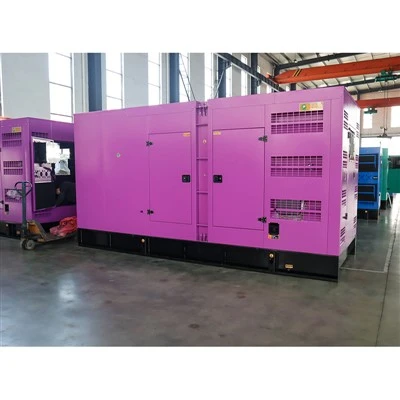
First, let’s talk about the biggest coastal enemy: corrosion. Salt is a sneaky, destructive substance that doesn’t just eat away at metal parts—it works in tandem with humidity and temperature swings to speed up wear and tear. Standard generators use mild steel enclosures, uncoated electrical connections, and basic fuel lines that, within 18 to 24 months in a high-salinity coastal area, start showing rust, pitting, and electrical failures. I’ve seen generators installed by competitors on Gulf Coast marinas where the control panel corroded so badly that the unit would randomly shut off mid-power for a dock’s refrigerated fish hold. That’s a $50,000 loss in a single afternoon, not to mention the hit to the marina’s reputation. For our coastal clients, every generator we sell gets built with what we call “salinity-resistant hardening.” That means our enclosures are made from hot-dip galvanized steel, then coated with a two-part epoxy paint that’s formulated to resist both salt and UV radiation (critical, since coastal areas get intense sun that breaks down regular paint faster). All fasteners, brackets, and internal frame parts are stainless steel—316 grade, not the cheaper 304 grade that still corrodes in high-salt environments. Even the electrical terminals get a tin-nickel plating, a step most brands skip, that prevents salt from causing arcing or connection failure. Last year, we installed a set of 60kW silent generators at a yacht club in Florida, and their maintenance team reported zero corrosion issues in their annual check, whereas the club’s old competitor generators needed terminal replacements every six months. That’s a tangible, long-term saving our clients notice.
Next, ventilation is a make-or-break factor for silent generators in coastal zones, and it’s tied directly to both performance and durability. Silent generator sets work by enclosing the engine and alternator in a sound-dampening cabinet, which means they rely on precise airflow to keep operating temperatures low. But in coastal areas, the air isn’t just hot—it’s thick with salt, moisture, and sometimes airborne debris like sand or sea foam. If ventilation isn’t designed correctly, that salt and debris gets pulled into the engine, clogging filters and accelerating wear, while poor airflow makes the engine run hotter, shortening its lifespan. I’ve had a client in North Carolina whose silent generator overheated during a hurricane backup because their unit’s air intakes were placed too low, sucking in salt water and debris that clogged the cooling fins. To avoid that, we adjust ventilation for coastal units in two key ways. First, we use weatherized air intakes and exhaust systems that are fitted with high-efficiency, washable saltwater separation filters. These filters don’t just catch dust—they pull 99.5% of salt aerosols out of the incoming air before it reaches the engine. Second, we angle the intakes to face away from prevailing salt-laden winds, which means the unit pulls in cleaner, drier air even during storm surges or high tide. We also add a redundant cooling fan system for coastal units, so if the primary fan gets compromised by salt buildup, the secondary fan kicks in automatically. For a hospital in Maine that relies on their generator for emergency power, that redundancy was non-negotiable—we designed their unit to handle 110°F ambient air with full humidity, no performance drop, during our testing, and they haven’t had an overheat issue in three years.
Fuel system integrity is another critical coastal consideration that most generators overlook. Coastal areas have unique fuel challenges: saltwater can seep into above-ground fuel tanks, high humidity can cause condensation inside tanks, and the salt air can corrode fuel lines and filters, leading to clogged injectors or contaminated fuel. I once worked with a resort in the Caribbean that had their backup generator fail because saltwater had seeped through a tiny crack in their 10-year-old steel fuel tank, mixing with diesel and clogging the engine’s fuel injectors. The resort lost power to their kitchen and guest rooms for 12 hours during a holiday weekend, a PR disaster that cost them thousands. For our coastal silent generator sets, we equip every unit with a closed fuel system that includes three layers of protection: a corrosion-resistant fuel tank made from aluminum (not steel) with a double-wall design that catches any leaks or seepage before they reach the ground. We also install a water-fuel separator with a built-in salt filtration component, not the basic one found in standard generators, that removes 99% of both water and salt contamination from the fuel before it reaches the engine. To prevent condensation, we add a tank vent with a desiccant cartridge that absorbs moisture as air moves in and out of the tank during temperature changes. For remote coastal sites like offshore research stations, we even add fuel pre-heaters that prevent diesel from gelling in cold, humid coastal winters, a common issue that standard generators can’t handle.
Noise pollution is a factor that’s amplified in coastal areas, too, and not just for the sake of quiet—though that’s important for resorts and residential neighborhoods. Coastal zones are often home to sensitive ecosystems, like seabird colonies or marine mammals, that rely on sound for navigation, mating, and feeding. A loud generator can disrupt those behaviors, leading to regulatory fines or even fines from environmental agencies. Plus, coastal communities are often tight-knit, and a loud generator next to a beachfront neighborhood will lead to complaints that force operators to shut off the unit during peak power needs. As a supplier of silent generators, we already build our units to meet strict OSHA and ISO noise standards, but for coastal clients, we go a step further. We test every coastal-specific unit to ensure it doesn’t exceed 60 dB at 25 feet, which is quieter than normal conversation, while also adding acoustic baffles that are treated with a salt-resistant coating to prevent degradation. For example, we recently installed generators at a sea turtle nesting site in Texas, where noise regulations are extremely strict during nesting season (May to October). Our units are designed to run without disturbing the turtles’ nesting patterns, which the site’s conservation director confirmed after a successful test run. We also work with coastal clients to position generators in sound-dampened enclosures that are screened with native vegetation, further reducing noise and blending the unit into the landscape.
Maintenance access and serviceability are often afterthoughts, but in coastal areas, where remote locations and harsh conditions make repairs harder, they’re non-negotiable. A standard generator’s maintenance panels are often tucked in hard-to-reach places, and basic filters need changing every 200 hours. But in coastal areas, that’s not feasible—many sites are a 45-minute boat ride from the nearest road, and salt buildup means filters need changing more frequently, often every 150 hours. For our coastal silent generator sets, we design every unit with tool-less, quick-release maintenance panels that allow our technicians to access filters, terminals, and other parts in minutes, no specialized tools needed. We also provide pre-filter change kits that are sized specifically for coastal use, with extra salt-resistant filters, and offer remote monitoring for every unit. Our remote system tracks engine performance, corrosion levels, fuel quality, and filter status in real time, so we can schedule maintenance before a problem arises, even if the client is 100 miles away. Last year, a client in Alaska’s Aleutian Islands had a filter start clogging with salt, and our remote alert system notified us before the engine showed any signs of performance issues. We sent a service team by small plane the next day, avoided a downtime that would have cost the island’s fish processing plant $100,000 a day. That’s the kind of reliability our coastal clients count on.
I also want to talk about testing, because coastal generators can’t be designed on paper—they need to be tested in real-world coastal conditions. Too many brands ship standard generators to coastal areas without any testing, leading to failures within months. At our facility, we have a dedicated coastal test lab that simulates salt spray, high humidity, temperature swings, and wind conditions that match the harshest coastal environments, from the North Sea to the Gulf of Mexico. Every unit we sell for coastal use runs through a 1,000-hour durability test in this lab, where we expose it to salt spray for 8 hours a day, run it at full load for extended periods, and simulate storm surges and high tide conditions. We also work with local coastal contractors and operators during the final installation, to adjust the unit’s positioning, ventilation, and setup for the specific site’s conditions. For example, a generator on a wind-exposed jetty needs different positioning than one tucked in a sheltered marina cove, and we don’t just send a generic setup guide—we send a technician who’s worked on hundreds of coastal units to customize the install.
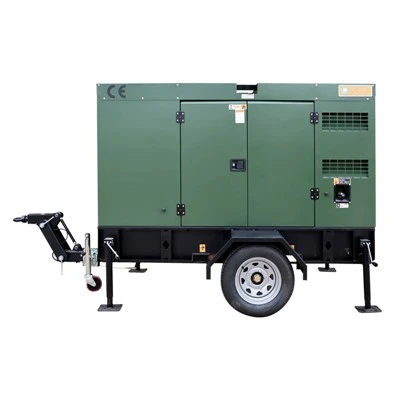
At the end of the day, a silent generator set for a coastal area isn’t just a power unit—it’s a lifeline. It keeps a hospital’s emergency power running during hurricane season, keeps a fish processing plant’s refrigeration systems on when the grid goes out, protects sea turtle nests from being disrupted by loud noise, and powers remote research stations that study coastal ecosystems. As a silent generator supplier, I don’t just sell equipment—I sell peace of mind for operators who know their power will work when they need it most. If you’re a marina, coastal resort, hospital, remote site, or any other operation near the coast that needs reliable, silent power, let’s talk. We can walk through your specific needs, run a custom coastal assessment for your site, and design a generator set that’s built to handle your unique challenges.
MTU Diesel Generator References
Coastal Zone Management Handbook. U.S. Department of Commerce, 2021.
Corrosion Control in Marine Environments. NACE International, 2019.
ISO 8528-5: Reciprocating Internal Combustion Engine Driven Alternating Current Generating Sets – Part 5: Emergency Power Supply Sets, 2020.
Marine Diesel Engine Maintenance Best Practices. American Boat and Yacht Council, 2022.
Taizhou Jinte Electromechanical Technology Co., Ltd.
We are one of the most professional silent generator set manufacturers and suppliers in China. With abundant experience, we offer a wide range of generators with superior quality. Please rest assured to buy advanced silent generator set for sale here from our factory. Customized orders are welcome.
Address: Room 207-214, Eurasia International Garden Commercial Center, Hailing District, Taizhou City
E-mail: Sales@generatorschina.com
WebSite: https://www.jintepower.com/
