Flow control is a critical aspect in various industrial applications, especially when dealing with cryogenic systems. As a leading supplier of cryogenic ball valves, I am well – versed in the flow control capabilities of these specialized valves. In this blog, I will delve into the key flow control features of cryogenic ball valves, discuss their significance, and explain how they can meet the diverse needs of different industries. Cryogenic Ball Valve
1. Basic Principles of Flow Control in Cryogenic Ball Valves
A cryogenic ball valve operates based on the principle of a ball with a hole in the middle. The ball is positioned within the valve body, and when the valve is opened, the hole in the ball aligns with the flow path, allowing fluid to pass through. When the valve is closed, the ball is rotated 90 degrees, blocking the flow. This simple yet effective design provides a reliable way to start, stop, and throttle the flow of cryogenic fluids.
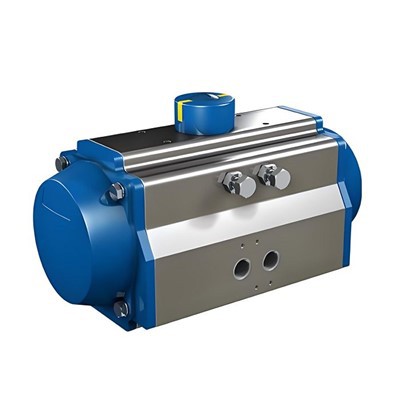
The opening and closing of a cryogenic ball valve can be controlled manually, electrically, pneumatically, or hydraulically. Manual operation is suitable for small – scale applications where infrequent adjustments are required. Electric, pneumatic, and hydraulic actuators, on the other hand, are used for automated systems, enabling precise and rapid control of the valve position.
2. Flow Capacity
One of the most important flow control capabilities of a cryogenic ball valve is its flow capacity, often measured in terms of the valve’s Cv value (flow coefficient). The Cv value indicates the amount of water (in US gallons per minute) that will flow through the valve with a pressure drop of 1 psi across the valve at 60°F. A higher Cv value means that the valve can handle a greater flow rate.
The design of the ball and the port in a cryogenic ball valve has a significant impact on its flow capacity. Full – port ball valves, where the diameter of the hole in the ball is the same as the diameter of the pipeline, offer the highest flow capacity. They minimize pressure drop across the valve, making them ideal for applications where high – flow rates are required. Reduced – port ball valves, with a smaller hole in the ball than the pipeline diameter, have a lower Cv value but are often more compact and cost – effective for applications where high flow rates are not critical.
3. Flow Throttling
In addition to starting and stopping the flow, cryogenic ball valves can also be used for flow throttling. Throttling is the process of controlling the flow rate by partially opening or closing the valve. While cryogenic ball valves are not as precise as globe valves for throttling, they can still be used effectively in many applications.
The ability of a cryogenic ball valve to throttle flow depends on its design and the actuator used. Valves with V – port balls are better suited for throttling because the V – shaped opening allows for a more linear flow control characteristic. When combined with a high – precision actuator, such as a servo – controlled electric actuator, the valve can achieve accurate flow throttling over a wide range of flow rates.
4. Flow Direction
Cryogenic ball valves are generally bidirectional, meaning they can control the flow of fluid in either direction. This is a significant advantage in cryogenic systems, where the flow direction may change depending on the operating conditions. For example, in a liquefied natural gas (LNG) storage and transfer system, the flow may need to be reversed during the loading and unloading processes.
The bidirectional flow control capability of cryogenic ball valves is due to their symmetric design. The ball and the sealing surfaces are designed to provide a reliable seal regardless of the flow direction, ensuring that the valve can operate effectively in different flow scenarios.
5. Sealing Performance and Flow Integrity
Good sealing performance is essential for maintaining flow integrity in cryogenic ball valves. At cryogenic temperatures, the materials used for sealing must be able to maintain their elasticity and sealing properties. Most cryogenic ball valves use soft seats made of materials such as polytetrafluoroethylene (PTFE) or its derivatives. These materials can provide a tight seal even at extremely low temperatures, preventing leakage and ensuring that the flow is accurately controlled.
In addition to the soft seat, some cryogenic ball valves also feature a metal – to – metal seal. The metal – to – metal seal provides an additional layer of protection against leakage, especially in high – pressure and critical applications. By combining soft and metal – to – metal seals, cryogenic ball valves can achieve excellent sealing performance and ensure the integrity of the flow control system.
6. The Significance of Flow Control Capabilities in Different Industries
- LNG Industry: In the LNG industry, cryogenic ball valves are used in various processes, including liquefaction, storage, and transportation. The high flow capacity and bidirectional flow control capabilities of these valves are crucial for efficient LNG transfer. For example, during the loading and unloading of LNG carriers, the valves need to be able to handle large – volume flow rates and operate in both directions.
- Medical Industry: In medical applications such as cryosurgery and cryogenic storage of biological samples, precise flow control is essential. The flow throttling capability of cryogenic ball valves allows for accurate control of the cryogenic fluid flow, ensuring the safety and effectiveness of medical procedures.
- Aerospace Industry: In aerospace applications, cryogenic fluids such as liquid oxygen and liquid hydrogen are used as rocket propellants. The reliable flow control provided by cryogenic ball valves is critical for the safe and efficient operation of rocket engines. The valves need to be able to withstand extreme temperatures and pressures and provide accurate flow control during the launch and flight processes.
7. Our Company’s Advantages in Providing Cryogenic Ball Valves with Excellent Flow Control Capabilities
As a cryogenic ball valve supplier, we have a reputation for providing high – quality valves with superior flow control capabilities. Our valves are designed and manufactured using the latest technologies and the highest quality materials.
We have a team of experienced engineers who can customize the valves according to the specific requirements of our customers. Whether it is a high – flow full – port valve or a valve with precise throttling capabilities, we can develop the most suitable solution.
We also provide comprehensive after – sales service, including installation guidance, maintenance, and repair. Our goal is to ensure that our customers can use our valves with confidence and achieve optimal flow control performance in their applications.
If you are looking for a reliable cryogenic ball valve supplier to meet your flow control needs, we are here to help. Our valves are designed to provide accurate, efficient, and reliable flow control in cryogenic systems. We can offer a wide range of options to suit different applications and budgets.
Cryogenic Ball Valve Contact us today to discuss your specific requirements. Our sales team will be happy to provide you with detailed information about our products and answer any questions you may have. Start a conversation with us, and let’s work together to find the best cryogenic ball valve solution for your flow control needs.
References
- "Handbook of Valves", by Joseph A. Rizzi
- "Cryogenic Engineering", by Richard Barron
- Various industry standards such as ASME B16.34 for valve design and manufacturing
Wuxi PYNOS Flow-tech Co., Ltd.
As one of the leading cryogenic ball valve manufacturers and suppliers in China, we offer a wide range of products with superior quality. We warmly welcome you to buy high quality cryogenic ball valve made in China here from our factory. We also accept customized orders.
Address: Sales Center: 7th Floor, No.19 Qingyuan RD, Wuxi City, Jiangsu Prov., China
E-mail: Info@pynosvalve.com
WebSite: https://www.pynosvalves.com/
