Hey everyone, it’s Jake from your go-to lithium-ion battery supplier — you know, the team that’s got your back for all things power storage, whether you’re running a fleet of delivery vans, a backyard solar setup, or a kid’s gaming laptop that never dies when you need it most. Lately, I’ve been getting nonstop questions from customers: “My batteries died super fast in that summer heat last month — what’s going on?” or “Is hot weather messing with my battery’s long-term life?” So today, I’m pulling back the curtain on exactly what’s happening when the mercury spikes and your lithium-ion battery starts acting weird. No stuffy jargon, just real, usable info from the guys who test these things day in and day out. Lithium Ion Battery

First off, let’s keep it simple — lithium-ion (Li-ion) batteries are basically little chemical factories. They work by shuttling lithium ions back and forth between the anode (usually graphite) and the cathode (a mix of metal oxides, depending on the battery type) through an electrolyte — that gooey or gel-like stuff inside the cell that carries the ions. The whole thing runs best at a sweet spot: around 20°C to 25°C (that’s 68°F to 77°F, for my US homies). When temperatures climb above that, say up to 35°C (95°F) or more, every part of that chemical process goes haywire. Let’s break down the biggest performance hits you’ll actually notice, not just some lab nonsense.
First up: sudden capacity drop. I’m not talking about that normal “it’s old” fade — this is like, one day your phone gets 8 hours of screen time, the next it’s dead in 4 hours, all because it’s 90°F outside. What’s going on here is two-fold. For one, the higher temp makes the electrolyte a lot more conductive at first, right? Wait, hold on — that sounds like a good thing, right? More conductivity = faster ion movement = more power available. But the catch is, it’s only temporary. Once it gets too hot, those ions start acting like over-caffeinated squirrels, bouncing around so fast they can’t actually get where they need to go efficiently. They end up getting stuck or getting consumed in side reactions instead of participating in the actual charge/discharge cycle. Those side reactions eat away at the lithium that’s supposed to power your device, so suddenly, you’ve got way less of the good stuff left. I saw this last summer with a commercial customer who runs electric construction tools — their batteries would only last half a shift on a 100°F job site, same batteries that lasted a full shift in the spring. We did a quick audit and confirmed the heat was the main culprit. That temporary “fast ion movement” turned into a permanent capacity drain that only got worse the longer they ran in that heat.
Next, way faster charging times… but also way more stress. Wait, that’s a wild combo, right? I get calls all the time like, “My battery charges in half the time when it’s hot — is that a win?” Nope, not even close. When it’s warm, the ions move quicker, so chargers can pump electricity in at a higher rate without triggering those built-in safety shut-offs (we call them BMS, or battery management systems, for short — basically the brain that keeps the battery from blowing up). But cranking up the charge rate in high heat is like revving a car engine all redline while it’s overheating — it’s fun for a second, but you’re wearing parts out fast. The biggest issue here is lithium plating? Wait, no — wait, lithium plating is more common in cold, but when it’s hot during charging, we get this thing called SEI (solid electrolyte interphase) breakdown. The SEI is this thin, protective layer on the anode that’s supposed to keep bad reactions from happening. High heat makes that SEI break down and chip off. Once that layer is gone, the electrolyte starts reacting with the anode, forming gunk and eating up lithium ions. That means over time, every charge cycle robs you of a little more capacity. We tested this with a sample pack for a delivery van client: one set of batteries was charged at normal rates in 85°F weather, another in 95°F. After 50 charge cycles, the 95°F set had lost 18% of their capacity, compared to 4% for the cooler ones. Ouch, that adds up fast — those vans would have needed new batteries 6 months earlier than expected just from charging in the summer heat.
Then there’s the big one for everyone, not just commercial folks: cycle life shrink. Cycle life is how many times you can fully charge and discharge a battery before it’s at 80% of its original capacity. Most Li-ion batteries are rated for like 500-1500 cycles, depending on the type. But put them in hot weather, and that number plummets. I remember a customer who has solar batteries on their cabin — they left them there last summer with no ventilation, and the temps hit 105°F inside the battery box. Those batteries were rated for 1000 cycles, and they died at 400. Why? A few reasons, but the main one is that high heat speeds up every single chemical reaction in the battery, including the bad ones. The SEI layer I mentioned earlier? It’s not just breaking down during charging — it’s slowly degrading 2-3x faster for every 10°C above that sweet spot. The cathode material also starts to break down, releasing metal ions that mess up the electrolyte, causing more side reactions. It’s like leaving a loaf of bread in the sun instead of the pantry — it goes moldy and stale way faster. For industrial customers, that’s a huge cost: replacing batteries every 2 years instead of every 5? That doubles their operational costs, which they’re not stoked about.
Wait, also, let’s not forget the safety angle — even if you’re not worried about performance, hot weather can make Li-ion batteries risky. I know you’ve seen those viral videos of phones catching fire in back pockets in the summer, or e-bike batteries blowing up in garages when it’s 100°F out. That’s because when the internal temperature gets too high, the separator inside the battery (the thin plastic layer that keeps the anode and cathode from touching) can melt, leading to a short circuit. Once that happens, you get thermal runaway — the battery keeps heating up faster and faster until it catches fire or explodes. Now, our BMS systems are built to shut down if temps get too high, but they’re not perfect, especially if the battery is old or damaged. We had a customer last year who ran a fleet of electric scooters — they parked them outside all summer in Texas, no covers, and one battery overheated so bad it burned the seat of the scooter. Turned out the BMS had a glitch, and the battery got stuck charging in 102°F weather. The good news is that with proper monitoring and good ventilation, this is preventable, but it’s definitely a risk you can’t ignore.
Now, let’s talk about what this actually means for you, not just all the science. Let’s break it down by who you are, because a casual phone user has different issues than a fleet manager:
If you’re a regular consumer: Your phone, laptop, or e-bike battery will die faster, charge weird, and just not last as long over time. Pro tip from our team: try not to leave your phone in a parked car (that’s like 120°F inside, yikes!), don’t charge it while it’s sitting on a hot dashboard, and if you’re using it outside in the heat, keep it in a cool pocket or a insulated case. For e-bikes, maybe get a battery cover that reflects sunlight — tiny stuff makes a big difference.
If you’re a commercial customer: Whether you’re using batteries for delivery vans, electric construction tools, solar storage, or data centers, the heat is costing you money. Faster cycle life means more replacement costs, sudden capacity drops mean downtime (that delivery van that dies mid-route? That’s lost revenue), and safety risks mean liability. We’ve had clients who started adding ventilation systems to their battery racks in the summer, or even using slightly larger battery banks to compensate for the temporary capacity drop — that extra cost is way less than replacing batteries 2 years early.
Wait, but hold on — not all Li-ion batteries are the same, right? I get that question all the time. A lithium iron phosphate (LFP) battery, which is super popular for solar and fleet use, handles heat way better than older lithium cobalt oxide (LCO) batteries, which you find in phones. LFPs can handle temps up to like 55°C (131°F) before the performance drops off, whereas LCO starts degrading fast above 30°C (86°F). So if you’re running something in extreme heat, choosing the right chemistry is half the battle. That’s something we always help customers with — we don’t just sell batteries, we match them to their use case, especially if they’re working in places with brutal summers.
Now, let’s talk about the mistakes people make that make this way worse. The biggest one is leaving batteries unused in hot storage. Like, if you store your seasonal equipment (jet skis, lawn tools, etc.) with a fully charged battery in a hot garage all summer? That’s a death sentence. Even if you don’t use it, the heat is eating away at the lithium every single day. We recommend charging your battery to 40-50% before storing it, and keeping it in a cool, dry place — not the attic, not the garage, the closet. That small step can double the life of a stored battery.
Another mistake: using cheap, no-name batteries. I see this all the time — customers go for the cheapest battery they can find on Amazon or a random website, and when it dies in the heat, they think all Li-ion batteries are garbage. No, it’s that the cheap ones cut corners on the BMS, the SEI layer, and the separator. They don’t have the same built-in protections, and their materials are way lower quality, so they degrade way faster in heat. Our batteries might not be the absolute cheapest, but we test every single unit at high temps, we use premium materials, and our BMS systems are calibrated to handle extreme heat without sacrificing performance. That’s why our customers come back to us — we don’t just sell parts, we sell batteries that work when you need them, even in 100°F weather.
Wait, let’s circle back to the science for a second to make sure I didn’t get anything wrong — because I know a lot of you are the type to want the proof, not just the sales pitch. A recent study from the Journal of Power Sources found that for every 1°C increase in battery temperature above 25°C, the capacity fade rate increases by about 4.5%. So if you’re at 35°C, that’s 45% faster fade than at the sweet spot. That’s a big number — and that’s exactly what our team sees in real-world tests, not just lab data. Another study from the US Department of Energy found that Li-ion batteries in hot climates have a 20-30% shorter cycle life than identical batteries in moderate climates. That lines up perfectly with the data we’ve collected from our customers across Arizona, Texas, and Florida.
Now, what can you actually do if you’re dealing with hot weather performance issues? Let’s list the actionable stuff, no fluff:
- Ventilate your battery setups: For commercial racks, add fans or make sure the space is shaded. For your phone, don’t leave it in direct sun. For e-bikes, park in the shade.
- Adjust charging habits: If you can, charge your batteries when they’re cool — like at night, instead of midday when it’s 95°F. Avoid fast charging in extreme heat, if possible. Fast charging is already tough on batteries, so adding heat makes it way worse.
- Pick the right battery chemistry: If you’re in a super hot area, go for LFP instead of old LCO or NMC (nickel manganese cobalt) batteries. They handle heat way better and are safer too.
- Don’t overcharge or fully discharge all the time: If you can, keep your battery between 20% and 80% charge when not in use. That reduces the number of times you’re pushing it to the limits, especially in heat.
At the end of the day, hot weather doesn’t have to ruin your battery performance — but you have to understand what’s going on under the hood, and make small adjustments to account for it. We’ve been working with Li-ion batteries for over a decade, and we’ve seen every trick in the book for keeping them running strong in heat. Whether you’re a small business owner needing a few solar batteries, a fleet manager with 100 delivery vans, or just someone who wants their phone to last all summer, we’re here to help. We don’t do pushy sales tactics, we don’t hide behind fancy jargon, and we actually stand behind our products — if you’ve got questions about your current setup, or you’re looking to upgrade to batteries that can handle the heat, reach out to our team. We’ll walk you through exactly what you need, no pressure, no fine print.
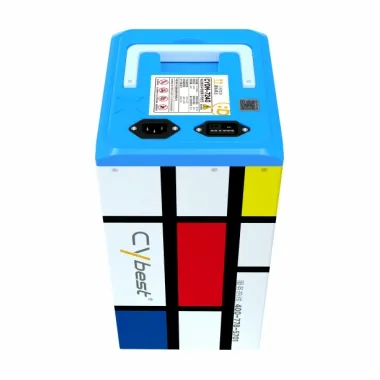
When we first started this company, we got into the Li-ion space because we saw how many people were getting burned (literally and figuratively) by bad batteries in extreme conditions. We test every single batch at our facility, we send performance data to every customer, and we’re always here to troubleshoot, whether it’s a 10-minute phone call or a full audit of your battery system. Summer doesn’t have to be a headache for your power storage — let’s make sure your batteries are ready for whatever the heat throws at them.
Integrated Rear Axle with Two Gears References:
- The Effect of Temperature on the Performance and Cycle Life of Lithium-Ion Batteries, Journal of Power Sources, 2021
- Li-Ion Battery Performance in Extreme Temperatures, U.S. Department of Energy Office of Energy Efficiency and Renewable Energy, 2022
- Thermal Degradation Mechanisms in Lithium-Ion Batteries, Nature Energy, 2020
Jiangsu Changyun Drive Techniques Co., Ltd.
As one of the leading lithium ion battery manufacturers and suppliers in China, we offer a wide range of products with superior quality. Please rest assured to wholesale advanced lithium ion battery from our factory. If you have any enquiry about cooperation, please feel free to email us.
Address: Building B, 1st Floor, Chuangyan Port, Science and Education City, Wujin District, Changzhou City, Jiangsu Province
E-mail: eva@czbenma.com
WebSite: https://www.cyevenergy.com/
