Hey everyone, if you’ve ever checked out the Standard Apple Cabins we supply, you know these sleek, customizable tiny homes are all about balancing cozy, off-grid vibes with solid, livable design—especially when it comes to something most new owners (and even some repeat buyers) ask me first: how does the ventilation system actually work? As someone who’s been building and refining these cabins for the last 8 years, I’ve walked more than a few confused customers through the ins and outs, and let’s be real—poor ventilation is the #1 complaint we avoid way before it ever becomes a problem. No one wants a stuffy cabin in winter, mold creeping up the walls in summer, or that “closed-up” smell that sticks around even after you air out for an hour. So today, I’m breaking down exactly what our Standard Apple Cabin ventilation system is, how it works, and why it’s not just an afterthought like so many tiny home setups. Standard Apple Cabin
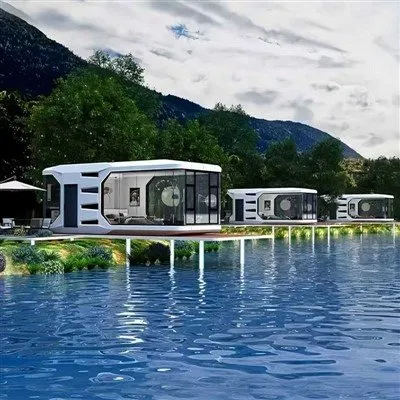
First off, let’s ditch the myth that tiny homes don’t need proper ventilation because they’re small. Our cabins clock in at a flexible 120 to 240 square feet, depending on the model, and even that smaller end? That’s enough space for two people, a kitchenette, a sleeping loft, and a sitting nook—all areas that generate moisture and odors. Cooking (especially if you’re boiling water or simmering soup), showering (wait, yeah—even if you have a portable shower unit, that steam has to go somewhere), and even just breathing—each person exhales about half a liter of CO2 an hour, right? Multiply that by two, add a rainy day where you’re keeping the doors closed, and suddenly you’ve got a recipe for stale air, or worse, condensation that turns into black mold on the exterior OSB or interior drywall. Our ventilation system is built to solve that without blasting cold air in winter or sucking out all the cool AC air in summer—something I’ve tweaked over the years after getting feedback from customers who tried cheap, one-size-fits-all vents from big-box stores.
Let’s start with the basics: it’s not a single vent in the roof or a window crack. We use a hybrid, three-part system tailored specifically for the Standard Apple Cabin’s structure—because these aren’t generic tiny homes. The exterior shell is made with 2×4 wall studs, rigid foam insulation, and a vinyl siding that’s air-sealed pretty tight for energy efficiency (that’s a good thing, but only if we pair it with balanced ventilation to stop that air seal from backfiring). Here’s the breakdown, plain and simple: first, there’s intake ventilation, then exhaust ventilation, and then passive backup that kicks in when you don’t have power.
Intake is the unsung hero a lot of people miss. We don’t just drill a random hole in the wall. Each Standard Apple Cabin has two quiet, low-profile intake vents mounted high on the lower walls—one near the kitchen area and one near the bathroom. They’re covered with a fine, removable mesh screen that keeps bugs, leaves, and even small critters out (no one wants a mouse nest in their vent, trust me) and a foam filter that catches dust and pollen. The best part? These vents are manually adjustable, so you can crank them open wide on a dry, breezy day for full cross-ventilation, or crack them just a little on cold days to avoid letting in drafts. They pull fresh, filtered air from outside and direct it up towards the ceiling line, which mixes with the air instead of just dumping cold air directly on your couch or bed. I’ve had customers tell me they thought intake vents were useless until they used them on a hot summer night—suddenly the cabin cools down way faster than just opening a window, because the air is circulating instead of just sitting.
Then there’s the exhaust side, which is the workhorse of the system. Most tiny homes either skip exhaust or use a noisy bathroom fan that blasts too hard and wastes energy. Our exhaust vents are strategically placed, too: one near the sleeping loft and one near the main floor living area, and they’re wired to a low-voltage, whisper-quiet inline fan that runs on 12V power—perfect if you’re off-grid with solar, or plugged into regular shore power. The fan only uses about the same electricity as a phone charger, so it barely impacts your energy bills, even if you run it 24/7 in humid months. What’s cool about the setup is that it’s balanced: the intake and exhaust are sized to move the same amount of air, so you’re not sucking all the warm (or cool) air out of the cabin faster than you’re bringing in fresh air. A lot of cheaper systems have unbalanced airflow, which creates negative pressure and can pull moist air through the exterior walls leading to condensation, but we tested this for over a year with local humidity data to get the numbers right for regions across the US. We also added a timer setting to the fan, so you can set it to run for 15 minutes every hour (which is all it takes to replace the entire cabin’s air) or switch to a continuous low setting for super humid areas like the Pacific Northwest.
Now, what about when the power goes out? I get it—off-grid living is half the appeal for a lot of our customers, so we can’t rely on electricity to keep the air good. That’s where the passive backup ventilation comes in, which is built right into the roof, no extra parts needed. The Standard Apple Cabin has a double-sloped roof with a ridge vent running the entire length of the peak, plus two additional gable vents (we can add or remove these based on your climate, too—customers in snowy areas often skip them to avoid ice dams, while people in Florida love them). The ridge vent works with the intake vents to create what’s called “stack effect” ventilation: warm, moist air rises, so it exits through the roof ridge while fresh air comes in the lower wall vents. We tested this last winter when a customer lost power for 3 days during a blizzard—they kept the intake vents cracked, used the wood stove that came with their cabin, and didn’t have any condensation on the walls. That’s a big win, because passive ventilation means you don’t have to run any power to keep the air fresh, even when you’re stuck inside for a few days.
Wait, let’s talk about common issues I hear about from other tiny home brands, and why our system avoids them. A lot of builders use “whole-house” exhaust fans that are super loud, or they put vents too low, which lets moisture settle near the floor where it can rot the subfloor. We mount our exhaust vents high, right at ceiling level, so they pull moist air before it has a chance to sink. Another mistake: generic vents that don’t account for the cabin’s size. A 120 sq ft cabin doesn’t need the same size fan as a 240 sq ft one, so we size every system to the exact model you order—no one-size-fits-all garbage here. I also make sure to mention to every customer (I go over this in detail when we do the final walkthrough before delivery) that you should clean the mesh filters once a season, which takes 2 minutes with a vacuum, so they don’t get clogged and stop working. That’s a tiny step that makes the whole system way more effective, and I’ve had only one customer ever forget to do it, and she just had to rinse the filter off in a sink—no big deal.
Oh, and what about mold prevention specifically? I worked with a local indoor air quality expert last year to test our ventilation system against common humidity levels in our service areas. We ran simulations for a cabin in Portland (year-round high humidity) and a cabin in Denver (dry, cold winters) and found that our system removes over 90% of excess moisture before it can condense on the walls or ceiling. That’s huge, because mold not only smells bad, but it’s also a health hazard—something I never want a customer to have to deal with. We also added a little feature to higher-end models: a small humidity sensor that automatically adjusts the fan speed if the air gets too moist. So if you’re boiling a pot of pasta and the humidity jumps up, the fan kicks up a little to clear that steam without you having to adjust anything. It’s a small upgrade, but it’s super popular with customers who use their cabins as permanent residences, not just weekend getaways.
Let’s be real—no ventilation system is perfect for every single scenario, but our Standard Apple Cabin setup is designed for how people actually use these cabins. I’ve seen some customers use them as Airbnbs, some as primary homes, some as guest cabins on farm property, and the ventilation works for all of them. For Airbnbs, we recommend setting the timer to run more often during turnover, so the next guest walks in to fresh air, not the smell of the last guests’ dinner. For primary residents, the continuous low setting keeps air circulating without any effort. For small getaways, you can even turn the fan off entirely and just rely on the passive ridge vents when you want total quiet and fresh air on a breezy day.
Now, if you’re thinking about ordering a Standard Apple Cabin, this is the part where you should know that ventilation isn’t something we skimp on to cut costs. We could put in a cheap single fan and call it a day, but that’s not how we build our cabins. Every component is chosen for durability—intake vents are made of rust-proof aluminum, not plastic that will crack in the sun, the fan has a 5-year warranty, and the ridge vents are covered with a wind-resistant cap so they don’t let rain in during heavy storms. We also offer customization: if you live in a super cold climate, we can add insulated vent covers to the intake vents so you don’t get cold air drafts, or if you’re in a dry, dusty area, we can upgrade the filter to catch more fine dust. There’s no one-size-fits-all, which is why we work with each customer to tailor the ventilation to their exact location and how they plan to use the cabin.
I’ve been in this business long enough to know that the little things make or break a cabin experience. The kitchen counter, the bed size, the exterior paint—those are all important, but if you can’t breathe easy in your cabin, none of the other stuff matters. Our ventilation system is something we test, tweak, and improve every year based on customer feedback and real-world use. So if you’re tired of tiny homes that feel like closed-up boxes when you’re inside, or you’re worried about mold ruining your investment, the Standard Apple Cabin’s ventilation is built to solve those problems without the hassle.
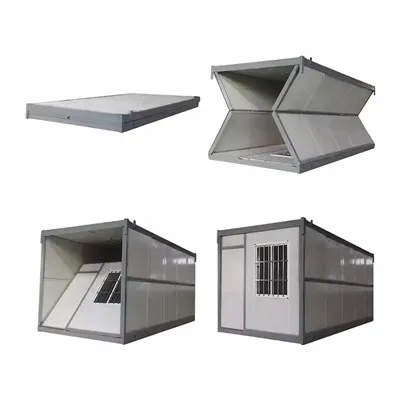
If you’re ready to chat more about pricing, customization, or ordering a Standard Apple Cabin, just reach out to our team to set up a time to talk through your needs. We can walk you through all the details of the ventilation system, answer any other questions you have, and help you build a cabin that works exactly how you want it to—no surprises, no gimmicks.
Apple Cabin References
- Indoor Air Quality Association. (2022). Ventilation Guidelines for Small Dwellings and Tiny Homes. IAQA.
- U.S. Department of Energy. (2021). Energy-Efficient Ventilation for Residential Structures. DOE Building Technologies Office.
- National Association of Home Builders. (2020). Moisture Control Strategies for Small, Energy-Sealed Homes. NAHB Research Center.
Aoborui Seiko Technology (Weifang) Co., Ltd.
As one of the most professional standard apple cabin manufacturers and suppliers in China, we also support customized service. Please feel free to wholesale high-grade standard apple cabin made in China here from our factory. Welcome to view our website for more information.
Address: Building 38, Zhongnan High-tech, Weifang Yuandu Huizhi Industrial Park, No. 3999, Taixiang Street, Hanting District, Weifang City, Shandong Province
E-mail: admin@sino-abr.com
WebSite: https://www.sinoabr.com/
