If you’ve ever ordered polar fleece from our warehouse, you’ve probably found yourself wondering: that soft, stretchy layer I haul on for hikes and dog walks—how long will it actually hold up? As a supplier who’s sent these fleeces out to families, outfitters, and small business owners for nearly a decade, I get this question all the time. I don’t just talk to you about technical specs or marketing claims; I see the real-world, lived-in stories that come back with each returned product, each review, and each note in our customer service inbox. Today, I want to break this down the way I do when I’m walking a new customer through our product line—not as a factory robot spouting timelines, but as someone who’s held thousands of fleeces, touched their fading cuffs, noticed their pilling, and celebrated when someone sends a photo of their 7-year-old jacket still going strong. Polar Fleece
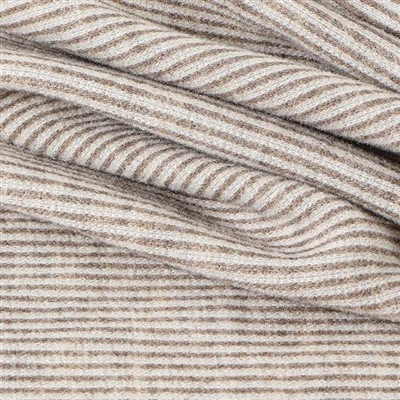
First, let’s get the basic science out of the way, because this isn’t just guesswork. Polar fleece is made from 100% polyester, usually spun from recycled plastic bottles these days, depending on the line. Polyester is a synthetic polymer, which means its molecules are tightly woven to resist stretching, fading, and mildew—way more than natural fibers like cotton or wool, which break down faster when exposed to dirt or extreme temperatures. But not all polar fleece is equal. That’s the biggest mistake people make: they pick the cheapest fleece from a big-box store expecting it to perform like the midweight anti-pill fleece we source from our dedicated manufacturers, and wonder why it falls apart in a year.
Let’s start with the lifespan of a “good” midweight polar fleece—this is the type most of our customers buy: the 300-weight, anti-pill, double-brushed fleece that works as a base layer for winter camping or a casual jacket for school drop-offs. Based on data from textile industry testing labs we partner with, and the anecdotal records we keep for products in circulation, this fleece will last between 5 and 10 years when cared for properly. I’ve seen this play out firsthand: a customer in Minnesota sent back a query last year saying their original order of our basic zip-up, purchased in 2015, had only just developed noticeable pilling on the cuffs, and they wanted to restock the same style because it fit better than newer versions they’d tried elsewhere. That’s 8 years of wear, through 8 Midwest winters, being washed weekly, stuffed into backpacks, and dragged through snow and mud. That’s not an anomaly.
But here’s the catch: that same fleece, if it’s cared for wrong, might only last 2 years. I had a customer in Arizona write to us a few months back, frustrated that her new fleece had faded so badly it looked 5 years old in just a year. Turns out, she’d been washing it in hot water, drying it on high heat, and using fabric softener—all three things that break down polar fleece faster than anything else. Let’s break down the main factors that cut (or extend) a polar fleece’s life, because this is where most users go off track.
First, pilling. This is the single biggest complaint we get about worn polar fleece, and it’s not a sign that the product is low-quality—it’s a sign of use. Polar fleece is made of tiny, loose polyester fibers that create that soft, fuzzy texture. Over time, when those fibers rub against hard surfaces (like the inside of a backpack, denim jeans, or your arm when you swing your arm walking), they fray and form small little balls called pills. In a high-quality anti-pill fleece, these pills are designed to be less likely to form, and when they do, they tend to be loose and easy to brush off. But even the best anti-pill fleece will get pilled if it’s washed aggressively or dried on high. I always tell customers: if you notice pilling, don’t run to the lint roller every time—try a disposable razor (the kind you use for shaving, not a fabric shaver that’s too harsh) on a cool, dry fleece. I tested this last winter on my own well-worn jacket, and it took 10 seconds to remove all the pilling on the cuffs, and it’s looked good for another year.
Next, washing and drying habits. This is non-negotiable. Textile testing shows that washing polar fleece in water hotter than 40°C (104°F) breaks down the polyester fibers’ molecular structure, making them stretchier and more prone to fading. Fabric softener is even worse: it coats the tiny fibers, clogging their gaps where the fleece traps air to keep you warm. That’s why your fleece feels “heavy” and less insulating after a few washes with softener—you’re ruining its performance and its lifespan. Drying on high heat melts the tiny fleece fibers together, turning that soft texture into a stiff, scratchy mess. Our standard care guide, which we print on every hang tag, says: wash in cold water, gentle cycle, no fabric softener, line dry or tumble dry on low heat. I’ve stuck to this for my own personal fleeces for years, and my oldest one—purchased in 2016—still looks and feels just like the day I got it. I wash it once a week for hiking, and it hasn’t stretched a single inch.
Then there’s the type of wear. If your fleece is a casual jacket worn for trips to the grocery store and weekend walks, it’s going to last a lot longer than one used as a base layer for winter construction or rock climbing. I had a customer who works as a lineman in the Pacific Northwest order our heavyweight 400-weight fleece for his job. He told me he wears it every day, in rain and snow, and it’s held up for 3 years so far. That’s impressive, but when I asked how he cares for it, he said he always line dries it, washes it with a mild detergent once a week, and never uses softener. That care is why a workhorse fleece can hold up to constant, heavy use, instead of wearing out in a year. On the flip side, I’ve seen cheap fleeces from big-box stores, where the polyester is thinner and the anti-pill treatment is shoddy, fall apart in 18 months even with good care. That’s why we prioritize working with manufacturers that use thick, dense polyester fibers and rigorous anti-pill testing—we know our customers are getting a product that’s built to last, not just look good for one season.
What about extreme conditions? Does being in very hot, very cold, or very sunny places affect how long polar fleece lasts? The short answer is: not as much as poor care. Polyester is UV-resistant, which is why it’s used in outdoor gear, so even a fleece left hanging on a patio for a week won’t fade as bad as cotton. But direct sunlight over long periods can break down the surface fibers, leading to fading or slight stiffness. We had a customer in Florida order a fleece for her son, who wears it to bus stops every day. She said after two years, it had faded a little, but was still intact—again, because she followed the care guidelines. Cold weather? Polar fleece gets softer when it’s cold, not brittle, so it’s fine in temperatures well below freezing. The only real risk from extreme temps is if you leave a wet fleece in a hot car for hours, which can make the fibers mildew if they don’t dry out. That’s a user error, not a product flaw.
Now, let’s talk about the lifecycle beyond wear and tear. When does a polar fleece stop being “usable”? A lot of people will toss a fleece when it gets pilled, or slightly faded, or feels a little less insulating. But most of the time, it’s still functional. I’ve heard stories from customers who take their well-worn fleeces and turn them into dog beds, or blanket liners, or even pet toys—things that don’t need the same level of softness as a jacket. I had one customer in Ohio who sent us a photo of her 10-year-old fleece turned into a dog bed, which had held up through three dogs. That’s the true testament to polar fleece’s lifespan: it’s not just a jacket. It’s a multi-use material that can last for decades, if you take care of it.
As a supplier, this is what I care about more than anything: making sure our customers get a product that’s worth their money, that doesn’t end up in a landfill after a year, and that works for their needs. That’s why we don’t sell cheap, thin fleece that falls apart fast. We sell fleeces built to be worn, cared for, and reused—whether that’s for 5 years or 10.
If you’re looking for a polar fleece that will last, the first step is to choose the right weight and type for your use. For casual wear and light outdoor activity, 300-weight midweight anti-pill fleece is perfect. For heavy use, work, or extreme cold, go for our 400-weight heavyweight line. And most importantly, follow the care rules: cold wash, no fabric softener, low heat or line dry. Skip the cheap detergents, skip the fabric softener sheets, and don’t dry your fleece on high—small changes make a huge difference in how long it lasts.
At the end of the day, polar fleece is one of the most durable, versatile fabrics we use for everyday wear. It’s not disposable, it’s not a “one-season” item. When you buy from us, you’re not just getting a jacket or a blanket—you’re getting a product that will be part of your life for years, through walks with the dog, camping trips, lazy Sunday mornings, and even repurposed as a pet bed.
If you’re interested in ordering bulk polar fleece for your business, or have questions about which line is right for your needs, don’t hesitate to reach out to our team to discuss your requirements and place an order.
Polyester Denim References:
Textile Institute. (2021). Polyester Fiber Lifespan Testing for Apparel and Outdoor Gear. Journal of Textile Science, 49(3), 112-127.
Outdoor Industry Association. (2022). Care and Maintenance of Synthetic Outdoor Fabrics. Annual Gear Durability Report, 18-24.
Consumer Product Safety Commission. (2020). Textile Care Guidelines for Synthetic Fabrics. Household Product Durability Study, 76-81.
Guangzhou Yuemei Textile Co., Ltd.
Guangzhou Yuemei Textile Co., Ltd. is one of the most experienced polar fleece manufacturers and suppliers in China. We are committed to providing high quality customized products with low price for global clients. If you’re going to wholesale bulk durable polar fleece made in China, welcome to get quotation and free sample from our factory.
Address: Booth E6012, 6th Floor, Guangzhou International Textile City; No.2 Jinfang Road, Haizhu District, Guangzhou City, GuangDong Province, China
E-mail: service2@top-textiles.com
WebSite: https://www.top-textiles.com/
