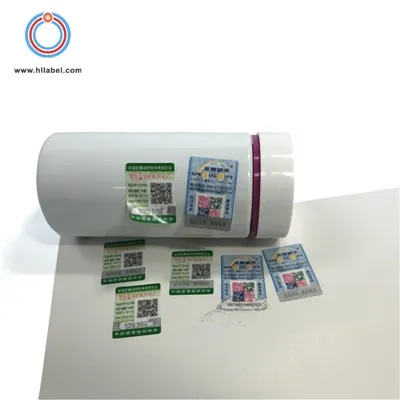
As a self-adhesive labels supplier deeply entrenched in the industry, I’ve witnessed firsthand the pivotal role that durability plays in the effectiveness of these labels. The ability of a self-adhesive label to withstand various environmental conditions, handling, and exposure is crucial for maintaining brand integrity, providing accurate information, and ensuring long – term functionality. In this blog, I’ll explore the factors that significantly impact the durability of self – adhesive labels. Self-adhesive Labels
Material Quality
Face Materials
The face material of a self – adhesive label is the visible part that carries the printed information. Different materials have distinct characteristics that affect durability.
Paper is one of the most commonly used face materials. It is cost – effective and easy to print on. However, its durability is limited. Paper labels are prone to tearing, water damage, and abrasion. For instance, in a high – humidity environment, paper labels can absorb moisture, causing them to wrinkle or lose their adhesion. On the other hand, synthetic materials such as polyester, polypropylene, and vinyl offer superior durability. Polyester labels are highly resistant to chemicals, moisture, and UV radiation. They can maintain their integrity in harsh industrial environments, outdoor applications, and even in contact with solvents. Polypropylene labels are lightweight and flexible, with good resistance to water and tearing. Vinyl labels are known for their flexibility and can conform to irregular surfaces. They are also resistant to abrasion and weathering, making them suitable for outdoor signage and vehicle graphics.
Adhesive Materials
The adhesive is what bonds the label to the substrate. There are several types of adhesives, each with its own durability characteristics.
Permanent adhesives are designed to form a strong, long – lasting bond with the substrate. They are suitable for applications where the label needs to remain in place for an extended period. Permanent adhesives can withstand normal handling, temperature changes, and some exposure to moisture. However, they may become less effective if the substrate surface is dirty or oily. Removable adhesives, on the other hand, are intended for temporary applications. They can be easily removed without leaving residue, but their durability in terms of long – term adhesion is lower compared to permanent adhesives. Re – closable adhesives are designed for applications where the label needs to be opened and closed multiple times, such as on snack bags. The durability of these adhesives depends on the number of times they are re – used and the conditions under which they are stored.
Liner Materials
The liner protects the adhesive before application. Liners are typically made of paper or film. The quality of the liner can affect the durability of the label during storage and handling. A high – quality liner ensures that the adhesive remains intact and does not stick prematurely. For example, a liner with good release properties will allow the labels to be easily peeled off without damaging the adhesive. If the liner is of poor quality, it may tear or leave residue on the label, which can compromise the label’s durability and adhesion.
Printing Techniques
Ink Quality
The quality of the ink used in printing plays a significant role in the durability of the label. High – quality inks are formulated to resist fading, scratching, and chemical exposure. For example, UV – curable inks are known for their excellent durability. They are cured by ultraviolet light, which creates a hard, protective layer on the label surface. This layer makes the printed image resistant to fading from sunlight and abrasion from handling. Solvent – based inks also offer good durability, as they can penetrate the face material, creating a more permanent bond with the label. In contrast, water – based inks are more environmentally friendly but may have lower durability, especially in wet or high – humidity conditions.
Printing Method
The choice of printing method can also impact label durability. Digital printing is a popular method due to its flexibility and ability to produce high – quality, full – color labels. However, the durability of digitally printed labels can vary depending on the type of printer and ink used. Some digital printers use pigment – based inks, which are more durable than dye – based inks. Screen printing, on the other hand, is known for its durability. It can apply a thick layer of ink to the label, making it resistant to abrasion and fading. Flexographic printing is another common method, which offers good durability and is suitable for high – volume production.
Environmental Conditions
Temperature
Temperature fluctuations can have a significant impact on the durability of self – adhesive labels. Extreme heat can cause the adhesive to soften and lose its bond, while extreme cold can make the label and adhesive brittle. For example, in a hot warehouse environment, labels on products may start to peel off if the adhesive is not designed to withstand high temperatures. In cold storage, labels may crack or become less adhesive. Some adhesives are formulated to perform well in a wide range of temperatures, but it’s important to choose the right adhesive for the specific temperature conditions of the application.
Humidity
Humidity can also affect label durability. High humidity can cause paper labels to absorb moisture, leading to wrinkling, curling, and loss of adhesion. Even synthetic labels can be affected by humidity, as moisture can penetrate the adhesive and weaken the bond. In a low – humidity environment, the label may become dry and brittle, increasing the risk of cracking or tearing. To ensure label durability in humid conditions, it’s important to choose materials and adhesives that are resistant to moisture.
Chemical Exposure
Labels may come into contact with various chemicals, such as cleaning agents, solvents, and oils. These chemicals can react with the label materials and adhesive, causing damage. For example, some solvents can dissolve the ink on the label or break down the adhesive. In industrial settings where labels are exposed to chemicals, it’s essential to choose labels that are chemically resistant. Polyester labels, for instance, are known for their excellent chemical resistance and are often used in chemical storage and manufacturing facilities.
Handling and Application
Surface Preparation
Proper surface preparation is crucial for ensuring the durability of self – adhesive labels. The substrate surface should be clean, dry, and free of dust, oil, and other contaminants. If the surface is dirty, the adhesive may not bond properly, leading to premature label failure. For example, if a label is applied to a greasy surface, the adhesive may not be able to form a strong bond, and the label may peel off easily. In some cases, it may be necessary to clean the surface with a suitable solvent or primer before applying the label.
Application Pressure
The amount of pressure applied during label application can affect its durability. Insufficient pressure may result in a weak bond between the label and the substrate, while excessive pressure can damage the label or the substrate. Using a label applicator that applies consistent pressure is recommended to ensure a strong and uniform bond. For manual application, it’s important to use a smooth, flat tool to press the label firmly onto the surface, starting from the center and working outwards to avoid air bubbles.
Storage Conditions
The way labels are stored before application can also impact their durability. Labels should be stored in a cool, dry place away from direct sunlight and extreme temperatures. If labels are stored in a humid or hot environment, the adhesive may start to degrade, and the label material may become damaged. Additionally, labels should be stored in their original packaging to protect them from dust and other contaminants.
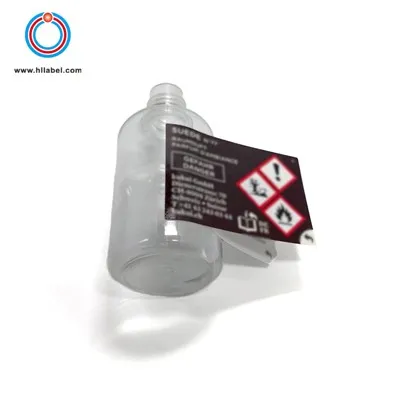
In conclusion, the durability of self – adhesive labels is influenced by a multitude of factors, including material quality, printing techniques, environmental conditions, and handling and application. As a self – adhesive labels supplier, I understand the importance of considering these factors to provide our customers with labels that meet their specific durability requirements. Whether you need labels for indoor or outdoor use, in a harsh industrial environment or a consumer product, we have the expertise and resources to develop the right solution for you.
Multi-layer Labels If you’re in the market for high – durability self – adhesive labels, I encourage you to reach out to us. Our team of experts can work with you to select the appropriate materials, printing techniques, and adhesives based on your specific application. Let’s start a conversation about how we can help you ensure the long – term performance of your labels.
References
- "The Handbook of Pressure – Sensitive Adhesive Technology" by Donatas Satas.
- "Labeling Technology: An Introduction" by Bill Jang.
- "Adhesive Bonding: Science, Technology, and Applications" by Marc Q. Brewis and David Briggs.
Huizhou Huilong Printing Company Limited
As one of the most professional self-adhesive labels manufacturers in China, we have world-leading production equipment and strong manufacturing capabilities. Please feel free to buy bulk self-adhesive labels in stock here from our factory. Also, pricelist is available.
Address: Xin’er Group, Xiamazhuang, Huicheng District, Huizhou City, Guangdong Province
E-mail: huilong278@163.com
WebSite: https://www.huilonglable.com/
