Hey there! As a building wire supplier, I’ve been getting a lot of questions lately about the difference between low – smoke and normal building wire. So, I thought I’d take a few minutes to break it down for you. Building Wire
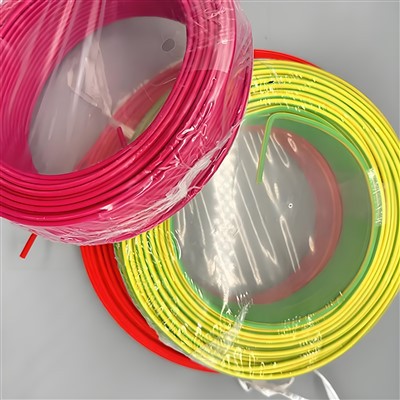
Let’s start with the basics. Normal building wire, also known as standard wire, is what you’ll find in most residential and commercial buildings. It’s been around for ages, and it’s designed to carry electrical current safely from one point to another. This type of wire is made from a conductor, usually copper or aluminum, which is wrapped in an insulating material. The insulation is typically made of PVC (polyvinyl chloride), which is a common and cost – effective choice.
PVC insulation is great because it’s flexible, durable, and can withstand a certain amount of heat and wear and tear. It does the job well in normal operating conditions, and it’s what most electricians are used to working with. You’ll find normal building wire in all sorts of electrical systems, from lighting fixtures to outlets and appliances.
On the other hand, low – smoke building wire is a bit different. As the name suggests, the main difference is the amount of smoke it produces when exposed to fire. In a fire situation, normal building wire with PVC insulation can release a large amount of thick, toxic smoke. This smoke is not only a hazard in itself, as it can reduce visibility and make it difficult to evacuate a building, but it also contains harmful chemicals like hydrogen chloride.
Low – smoke wire is designed to address these issues. Instead of PVC insulation, it often uses materials like low – smoke zero – halogen (LSZH) compounds. These materials are engineered to produce very little smoke and few, if any, toxic gases when burned. This is crucial in buildings where safety is a top priority, such as hospitals, schools, airports, and high – rise buildings.
Let’s talk about the construction of low – smoke wire. The conductor is usually the same as in normal wire, either copper or aluminum. But the insulation is different. The LSZH insulation is more expensive to produce than PVC, which is one of the reasons why low – smoke wire costs more. However, the benefits in terms of safety are well worth the extra expense, especially in critical applications.
In addition to lower smoke production, low – smoke wire also has better flame – retardant properties. It’s less likely to catch fire in the first place, and if it does, it’ll burn more slowly compared to normal wire. This gives people more time to escape a burning building and gives firefighters more time to control the fire.
Another aspect to consider is the performance of these wires in different environments. Normal building wire is suitable for most indoor and outdoor applications as long as it’s installed properly. It can handle normal temperature variations and is resistant to moisture to a certain extent. However, in some harsh environments, like areas with high humidity or exposure to chemicals, normal wire might degrade faster.
Low – smoke wire, especially those with high – quality LSZH insulation, is more resistant to environmental factors. It can withstand higher levels of humidity and is less likely to be affected by chemicals. This makes it a great choice for industrial settings or buildings located in areas with challenging environmental conditions.
Now, let’s look at the installation process. Installing normal building wire is pretty straightforward. Electricians are trained to work with PVC – insulated wire, and they have the tools and techniques to do it quickly and efficiently. However, when it comes to low – smoke wire, there are a few extra things to keep in mind.
Because low – smoke wire is more expensive and delicate, it requires more careful handling during installation. The LSZH insulation can be more easily damaged than PVC, so electricians need to take extra precautions to avoid scratches or cuts. They also need to make sure that the wire is installed in a way that minimizes the risk of damage during its lifespan.
When it comes to regulations, the use of low – smoke wire is often mandatory in certain types of buildings. Building codes in many areas require the use of low – smoke wire in high – occupancy buildings, public spaces, and buildings with long evacuation routes. These regulations are in place to protect the safety of the occupants, and failure to comply can result in fines and legal issues.
So, which one should you choose? Well, if you’re working on a small residential project, like a single – family home, normal building wire is probably sufficient. It’s cost – effective, and as long as it’s installed correctly, it’ll provide reliable electrical service for many years.
But if you’re working on a commercial or public building project, especially one where safety is a major concern, low – smoke wire is the way to go. Yes, it’s more expensive, but it can save lives in a fire situation. And let’s face it, there’s no price you can put on human life.
As a building wire supplier, I’ve seen firsthand the importance of choosing the right wire for the job. I’ve worked with contractors, electricians, and building owners to help them make the best decisions based on their needs and budget. Whether you’re a DIY enthusiast working on a small project or a large construction company building a skyscraper, I’m here to help.
If you’re still not sure which type of wire is right for your project, don’t hesitate to reach out. I can provide you with more detailed information, answer your questions, and even give you a quote. We have a wide range of building wires in stock, both normal and low – smoke, and we can deliver them to your job site in a timely manner.
In conclusion, the difference between low – smoke and normal building wire boils down to safety and performance. Normal wire is a tried – and – true option for most applications, but low – smoke wire offers significant advantages in terms of fire safety and environmental resistance. So, think about your project carefully, consider the regulations, and make the right choice.
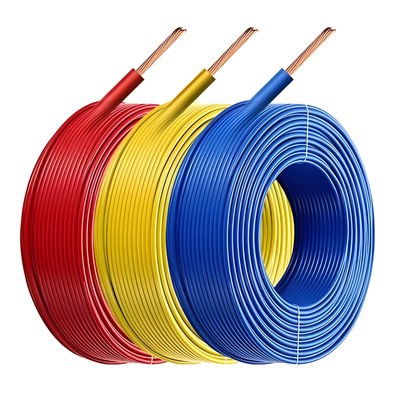
If you’re interested in purchasing building wire, whether it’s low – smoke or normal, I’d love to talk to you about your needs. Just drop me a message, and we can start discussing your project and finding the best wire solution for you.
Cable References
- Electrical Wiring Handbook, various editions.
- Building Codes related to Electrical Installations in your local area.
- Manufacturer’s specifications for low – smoke and normal building wires.
Hebei Liangyu Cable Co., Ltd.
We’re well-known as one of the leading building wire manufacturers and suppliers in China, specialized in providing high quality customized service. We warmly welcome you to buy durable building wire made in China here and get pricelist from our factory. For price consultation, contact us.
Address: Yanbai Industrial Zone, Jiajiakou Town, Ningjin County, Xingtai City, Hebei Province
E-mail: 18932990441@163.com
WebSite: https://www.liangyucable.com/
