How does Quick Lime Powder perform under high – temperature conditions?
As a supplier of quick lime powder, I’ve witnessed firsthand its remarkable versatility and performance in various industrial applications. One area that often piques the interest of our clients is how quick lime powder behaves under high – temperature conditions. In this blog, I’ll delve into the science behind it, share practical insights from our experiences, and discuss its implications for different industries. Quick Lime Powder
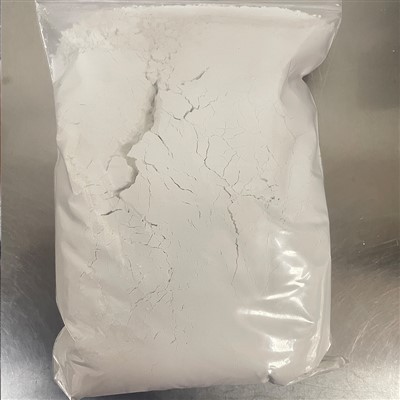
Understanding Quick Lime Powder
Before we explore its high – temperature performance, let’s briefly understand what quick lime powder is. Quick lime, also known as calcium oxide (CaO), is produced by heating limestone (calcium carbonate, CaCO₃) in a kiln at high temperatures, typically between 900°C and 1200°C. This process, called calcination, drives off carbon dioxide (CO₂) from the limestone, leaving behind calcium oxide in the form of a white, caustic powder.
Quick lime is highly reactive and has a strong affinity for water. When it comes into contact with water, it undergoes a process called slaking, where it reacts vigorously to form calcium hydroxide (Ca(OH)₂), releasing a large amount of heat in the process. This exothermic reaction is one of the key characteristics of quick lime and has significant implications for its use in various industries.
High – Temperature Performance
Chemical Stability
One of the most remarkable aspects of quick lime powder is its high chemical stability at elevated temperatures. Calcium oxide has a very high melting point of around 2572°C, which means it can withstand extremely high temperatures without melting or decomposing easily. This property makes it an ideal material for applications in high – temperature environments, such as steelmaking, cement production, and glass manufacturing.
In steelmaking, for example, quick lime powder is used as a fluxing agent. It helps to remove impurities such as sulfur, phosphorus, and silica from the molten iron. At the high temperatures in a steelmaking furnace (around 1600°C), quick lime remains stable and reacts with these impurities to form slag, which can be easily separated from the molten steel.
Reactivity Enhancement
While quick lime is stable at high temperatures, it also exhibits enhanced reactivity under these conditions. The high – temperature environment provides the energy needed to break chemical bonds and initiate reactions. For instance, in the production of calcium carbide (CaC₂), quick lime reacts with coke (carbon) at temperatures around 2000 – 2200°C.
[CaO + 3C\rightarrow CaC_{2}+CO]
This reaction is a crucial step in the chemical industry, as calcium carbide is used to produce acetylene, which is an important feedstock for the production of various chemicals and plastics.
Thermal Conductivity
Quick lime has relatively good thermal conductivity, which allows it to transfer heat efficiently in high – temperature processes. In cement production, for example, quick lime is one of the main raw materials. During the clinkering process, where the raw materials are heated to around 1450°C in a rotary kiln, the quick lime helps to distribute the heat evenly throughout the kiln, ensuring a uniform reaction and the formation of high – quality cement clinker.
Volume Expansion
When quick lime is heated, it can undergo a certain degree of volume expansion. This property needs to be carefully considered in applications where dimensional stability is crucial. In some refractory materials, for example, quick lime is added in controlled amounts. The volume expansion of quick lime at high temperatures can help to fill the pores and improve the refractoriness of the material. However, if the expansion is not properly controlled, it can lead to cracking and failure of the refractory structure.
Industrial Applications under High – Temperature Conditions
Steel Industry
As mentioned earlier, quick lime is an essential component in steelmaking. In electric arc furnaces (EAF) and basic oxygen furnaces (BOF), quick lime powder is used to remove impurities during the refining process. The high – temperature stability of quick lime ensures that it can effectively react with sulfur and phosphorus in the molten steel. Sulfur reacts with calcium oxide to form calcium sulfide (CaS), and phosphorus reacts to form calcium phosphate ((Ca_3(PO_4)_2)). These compounds then become part of the slag, which is removed from the furnace.
The use of quick lime in steelmaking also helps to protect the furnace lining. By forming a slag layer on the lining, it reduces the corrosion of the refractory materials caused by the molten steel and other impurities at high temperatures.
Cement Industry
In the cement industry, quick lime is a key raw material. The limestone is first calcined to produce quick lime, which then reacts with other raw materials such as clay and iron ore during the clinkering process. The high – temperature reactivity of quick lime allows it to combine with silica ((SiO_2)), alumina ((Al_2O_3)), and iron oxide ((Fe_2O_3)) to form the main compounds in cement clinker, such as tricalcium silicate ((Ca_3SiO_5)), dicalcium silicate ((Ca_2SiO_4)), tricalcium aluminate ((Ca_3Al_2O_6)), and tetracalcium aluminoferrite ((Ca_4Al_2Fe_2O_{10})).
The thermal conductivity of quick lime helps to maintain the temperature gradient in the kiln, which is crucial for the proper formation of these compounds. The volume expansion property of quick lime can also contribute to the strength and durability of the cement by filling the internal pores during the hydration process.
Glass Industry
In the glass industry, quick lime is used as a stabilizer. Glass is typically made by melting a mixture of silica sand, soda ash, and other additives at high temperatures (around 1500 – 1600°C). Quick lime helps to improve the chemical durability and mechanical strength of the glass. It reacts with other components in the melt to form a more stable glass network structure.
The high – temperature stability of quick lime ensures that it can withstand the harsh conditions in the glass – melting furnace without decomposing. This allows it to effectively play its role in the glass – making process, resulting in high – quality glass products.
Considerations for Using Quick Lime Powder under High – Temperature Conditions
Purity
The purity of quick lime powder is crucial for its performance under high – temperature conditions. Impurities such as magnesium oxide ((MgO)), silicon dioxide ((SiO_2)), and iron oxide ((Fe_2O_3)) can affect its reactivity and stability. For example, high levels of magnesium oxide can cause excessive volume expansion during the cooling process, leading to cracking in the final product.
Particle Size
The particle size of quick lime powder also has an impact on its high – temperature performance. Smaller particle sizes provide a larger surface area, which can enhance the reactivity of quick lime. In applications where rapid reactions are required, such as in some steel – refining processes, finer quick lime powder is often preferred. However, in some cases, larger particle sizes may be needed to ensure proper flow and handling in the high – temperature equipment.
Storage and Handling
Proper storage and handling of quick lime powder are essential, especially when it is used in high – temperature applications. Quick lime is highly reactive with moisture in the air, and if it is exposed to humidity during storage, it can start to react with water and form calcium hydroxide. This can reduce its effectiveness when used at high temperatures. Therefore, it should be stored in a dry environment, preferably in sealed containers.
Conclusion
As a quick lime powder supplier, I have seen the incredible performance of this versatile material under high – temperature conditions. Its high chemical stability, enhanced reactivity, thermal conductivity, and unique volume – expansion properties make it an indispensable component in various industries, including steelmaking, cement production, and glass manufacturing.
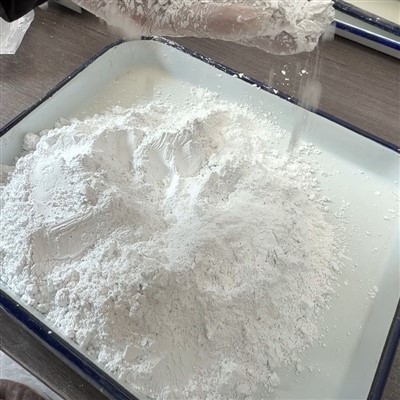
However, to fully harness the benefits of quick lime powder in high – temperature applications, it is important to consider factors such as purity, particle size, and proper storage and handling. By doing so, our clients can ensure that they achieve the best results in their respective processes.
Calcium Hydroxide Powder If you are interested in learning more about our quick lime powder and how it can meet your high – temperature application needs, we encourage you to reach out to us for a detailed discussion. Our team of experts is always ready to provide you with the right solutions and support. Let’s work together to make your high – temperature processes more efficient and successful.
References
- ASTM C5 – 18, Standard Specification for Quicklime for Structural Purposes.
- "The Chemistry of Cement and Concrete" by P. C. Hewlett.
- "Steelmaking and Refining Processes" by G. E. Totten and D. S. MacKenzie.
- "Glass Science and Technology" by W. A. Weyl.
Chaohu Jirun Energy Conservation and Environmental Protection Technology Co., Ltd.
We’re well-known as one of the leading quick lime powder manufacturers and suppliers in China, also support customized service. Welcome to wholesale high quality quick lime powder in stock here from our factory. If you have any enquiry about pricelist, please feel free to email us.
Address: No. 9, north of the intersection of Weihai Road and Weili Avenue, within the industrial park of Yinping Town, Chaohu City, Hefei City, Anhui Province.
E-mail: 13305654485@163.com
WebSite: https://www.chaohujirun.com/
