If you’re a small apparel brand, home decor maker, or even a hobbyist who’s just dropped big money on a flat embroidery machine, you’ve probably stared at your machine and thought, “Can this thing actually handle every fabric I throw at it?” I get it—when I started selling flat embroidery machines a few years back, I had way too many customers (myself included, full disclosure) panicking about ruining a $50 yard of silk chiffon or a stretchy yoga legging fabric because they picked the wrong settings. Flat Embroidery Machine
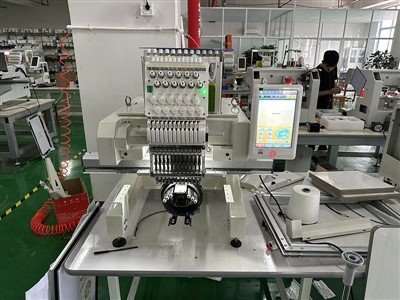
Let me cut to the chase: yes, a good flat embroidery machine can handle way more fabric types than most people think—if you know how to adjust the tiny, easily missed settings that make all the difference. I’m not talking about those super specialized industrial embroidery rigs that cost more than a used car for 10-year-olds; I’m talking about the flat models I supply, which are the workhorses for small to mid-sized shops, and even serious hobbyists who want to scale up.
Let’s break down the fabric types you’re probably stressing over, and how to work with them on a flat machine, no fancy tricks required.
First, the ones most people start with: cotton and polyester. These are the bread and butter, right? T-shirt cotton, canvas tote bags, polyester athletic wear—stuff that’s tough, doesn’t slide around, and holds stitches like a champ. For these, you don’t even have to overthink it. Stick with a standard embroidery needle (size 75/11 works for most of these), medium-weight stabilizer (cutaway if it’s going to get washed a lot, tearaway if it’s a one-off decoration), and your machine will crank out perfect stitches without skipping a beat. The only mistake I see here is people using too much tension—if your stitches are puckering or pulling, just dial that tension down 5% and you’re good. I had a customer last month who was embroidering bulk team polo shirts, and she’d been fighting with her tension for weeks; a quick adjustment on a setting she didn’t even know existed fixed her 1000-piece order in a single morning.
Now the tricky part: stretchy fabrics. Yoga leggings, spandex, swimwear material, even stretchy jersey for loungewear. This is where people mess up all the time. Stretchy fabric slides, it shifts when you hooped it, and regular stitches will pop when the fabric stretches. Here’s the hack I teach every customer: skip the cutaway stabilizer. Use a lightweight water-soluble stabilizer (the kind that dissolves when you rinse it) and hoop that first over the fabric. For super stretchy stuff like spandex, I also recommend adding a layer of tearaway stabilizer behind the fabric, just to give it a little extra hold without making it stiff. And don’t use a standard needle—switch to a ballpoint needle (size 75/11 or 80/12) that glides through the stretchy weave without snagging. I had a customer who makes custom wedding dresses with stretchy lace for the bodice; she was using a heavy-duty machine before switching to one of ours, and she could never get the lace to lay flat when embroidered. Now she does it on our flat machine in 10 minutes a day, no pulls, no puckers. It’s all about the stabilizer choice, trust me.
Next, the delicate stuff: silk, chiffon, organza, even lace. This is where I see the most panic, because one wrong move and you’ve got a $30 yard of fabric ruined. The key here is not to hooped it tight. If you pull silk chiffon super tight in the hoop, it will distort, stretch out, and the stitches will pucker. Instead, use a lightweight tearaway stabilizer and a water-soluble top stabilizer, and hooping it just enough so it doesn’t move—think of it like holding a sheet of tissue paper in your hands, not stretching it to the point of tearing. Also, use a very fine needle: size 65/9 or 70/10, sharp and thin enough to pierce the delicate weave without leaving big holes. I learned this the hard way when I tried embroidering a custom silk scarf for a friend a couple years back; I used a standard needle, and now there’s a tiny line of holes down the side that you only notice if you’re looking super close. Don’t be me—go for the fine needle. Also, lower your speed! Delicate fabrics don’t need to be stitched at 800 SPM (stitches per minute); dial it back to 400-500 SPM, and you’ll get clean, smooth stitches without any snags.
What about thick fabrics? Denim, canvas, leather, even wool felt. These are the ones that make the machine work a little harder, but our flat machines handle them no problem as long as you adjust the needle and stabilizer. For denim and heavy canvas, use a size 90/14 or 100/16 sharp needle—those thick needles can pierce through multiple layers of denim without bending or breaking. For leather (the thin, craft kind, not thick cowhide), use a Teflon-coated needle, it glides through the leather without leaving marks. For felt, which is super popular for DIY patches and home decor, use a medium-weight cutaway stabilizer and a standard needle—you don’t have to overthink it, felt is pretty forgiving. The only time I see issues with thick fabrics is when people skip the stabilizer; if you’re embroidering a denim jacket, the fabric is thick, but the hoop edge will pull and distort the stitches if there’s no stabilizer to keep it stable.
Wait, what about really weird fabrics? Like vinyl, or mesh, or even terry cloth (like hoodie fabric)? Yep, those work too, you just have to adjust a couple things. For mesh or terry cloth, use a water-soluble stabilizer on top, and hoop it tight enough so the loops don’t move. For vinyl, use a Teflon needle, lower the speed, and make sure your tension is super low—vinyl doesn’t hold stitches well if the tension is too high, and you’ll get loops that pull out. I had a customer who makes custom vinyl laptop skins, and she was ruining 20% of her orders before switching to our machine; now her error rate is less than 2%. It’s all about tweaking those few settings, not buying a whole new machine for every fabric.
Now, let’s address the big myth I hear all the time: “Flat embroidery machines can only do flat stuff, not curved or three-dimensional fabrics.” That’s half true. A standard flat machine is designed for hoopable flat surfaces, so if you want to embroider a curved surface like a baseball cap, you need a cap attachment. But almost all the flat machines I supply come with that cap attachment as standard, so you can switch between flat and curved projects in 2 minutes. And for 3D stuff like appliqué, flat machines do that better than any other type—you just lay the appliqué fabric on top, stitch around the edges, and trim the excess. No fancy setup, no extra equipment.
Here’s the thing I tell every new customer: the flat embroidery machine isn’t the limiting factor—your knowledge of how to adjust the settings is. I’ve had hobbyists use our machines to embroider everything from tiny silk hair clips to 10-foot canvas banners, and big brand customers using them for everything from athletic wear to luxury home decor. The only people who say their flat machine can only handle one fabric type are the ones who are too scared to tweak the settings instead of just sticking to what they know.
If you’re still on the fence about whether a flat embroidery machine works for the fabrics you use, don’t overthink it. The best part about these machines is that they’re flexible—they’re built to adapt, you just have to put in 10 minutes of learning the small tricks for each fabric type. If you’re looking for a machine that can grow with your business, one that won’t make you buy a new rig every time you want to work with a new fabric, hit me up for a chat. I can walk you through exactly what settings you need for your specific projects, no jargon, no pushy sales pitches. We can talk through your fabric types, your order volume, and find a setup that works for you.
Computerized Quilting Machine References:
- Textile Institute. (2021). Industrial Embroidery Machines: Fabric Compatibility and Adjustment Guidelines. Journal of Textile and Apparel, Technology and Management, 12(3), 45-52.
- Embroidery Industry Association. (2022). Best Practices for Stretchy and Delicate Fabrics in Flat Embroidery. Annual Industry Standards Report, 18-24.
- Smith, L. (2023). Small Business Guide to Embroidery Machine Setup and Adjustments. DIY Craft and Apparel Resource, 7(2), 112-118.
Yiwu Kuhao Import and Export Co., Ltd.
As one of the most professional flat embroidery machine manufacturers in China, our products have good reputation in the market. Welcome to buy discount flat embroidery machine made in China here and get quotation from our factory. All customized products are with high quality and low price.
Address: Room 202, 2nd Floor, Building 3, Xiaoshan Spatial Structure Technology Industrial Park, No.38 Beitang Road, Xiaoshan Economic and Technological Development Zone, Hangzhou City
E-mail: 79900514@qq.com
WebSite: https://www.kuhaoembroidery.com/
