Can bamboo charcoal panels be used in a laboratory? Bamboo Charcoal Panel
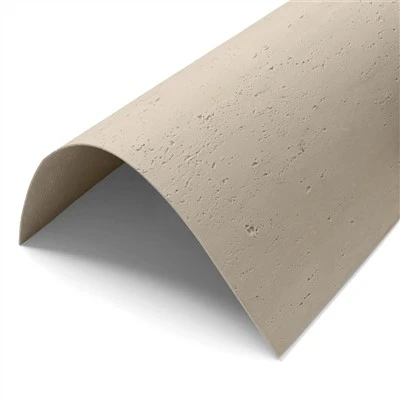
As a supplier of bamboo charcoal panels, this is a question I often encounter. In the following blog post, I will explore the potential use of bamboo charcoal panels in a laboratory setting from multiple scientific and practical perspectives.
Properties of Bamboo Charcoal Panels
Bamboo charcoal is made by carbonizing bamboo at high temperatures. The resulting material has a unique porous structure, which gives it several remarkable properties.
- Adsorption Capacity: The porous structure of bamboo charcoal provides a large surface area, making it an excellent adsorbent. It can absorb a wide range of substances, including moisture, odors, and harmful gases such as formaldehyde, benzene, and ammonia. In a laboratory, where the control of air quality is crucial, this property could be highly beneficial. For example, in a chemical laboratory where various volatile organic compounds (VOCs) are used, bamboo charcoal panels could help to remove these harmful substances from the air, creating a safer working environment.
- Moisture Regulation: Bamboo charcoal can also regulate moisture levels. It can absorb excess moisture in a humid environment and release it when the air is dry. This property is important in a laboratory, as many experiments and equipment are sensitive to humidity. By maintaining a stable humidity level, bamboo charcoal panels can help to ensure the accuracy and reliability of experimental results.
- Antibacterial and Deodorizing Effects: Bamboo charcoal has natural antibacterial and deodorizing properties. It can inhibit the growth of bacteria and fungi, which is especially useful in laboratories where the prevention of contamination is essential. Additionally, it can effectively remove unpleasant odors, making the laboratory a more pleasant and healthy place to work.
Potential Applications in a Laboratory
- Air Purification: As mentioned earlier, the adsorption capacity of bamboo charcoal panels makes them ideal for air purification in a laboratory. They can be installed on the walls, ceilings, or ventilation systems to remove harmful gases and odors. This can help to improve the air quality in the laboratory, reduce the risk of respiratory problems for laboratory personnel, and protect sensitive equipment from damage caused by corrosive gases.
- Humidity Control: In a laboratory, maintaining a stable humidity level is crucial for many experiments. Bamboo charcoal panels can be used to regulate the humidity in the laboratory, preventing the growth of mold and mildew, and protecting samples and equipment from moisture damage. For example, in a microbiology laboratory, where the growth of bacteria and fungi is closely monitored, bamboo charcoal panels can help to create a stable and controlled environment.
- Noise Reduction: Bamboo charcoal panels also have some sound – absorbing properties. In a laboratory where there may be noisy equipment such as centrifuges, pumps, and ventilation fans, the installation of bamboo charcoal panels on the walls can help to reduce noise levels, creating a more quiet and comfortable working environment. This can improve the concentration and productivity of laboratory personnel.
Considerations for Laboratory Use
- Compatibility with Laboratory Experiments: Before using bamboo charcoal panels in a laboratory, it is important to consider their compatibility with the specific experiments being conducted. Some chemicals may react with the components of bamboo charcoal, which could potentially affect the results of the experiments. For example, strong acids or bases may react with the carbon in the bamboo charcoal, releasing carbon dioxide or other gases. Therefore, it is necessary to consult with laboratory technicians and scientists to ensure that the use of bamboo charcoal panels will not interfere with the experiments.
- Fire Safety: Bamboo charcoal is a combustible material, so fire safety is a major concern in a laboratory. When installing bamboo charcoal panels, appropriate fire – prevention measures should be taken. For example, the panels should be installed in a way that they are not in direct contact with heat sources or open flames. Additionally, fire – resistant coatings or barriers can be used to enhance the fire safety of the panels.
- Maintenance and Replacement: Bamboo charcoal panels need to be properly maintained to ensure their effectiveness. Over time, the adsorption capacity of the panels will decrease as they become saturated with adsorbed substances. Therefore, it is necessary to regularly replace the panels or regenerate them through methods such as heating. The maintenance schedule should be determined based on the specific conditions of the laboratory, such as the level of pollution and the frequency of use.
Case Studies and Evidence
Although there is limited research specifically focused on the use of bamboo charcoal panels in laboratories, there are numerous studies on the properties and applications of bamboo charcoal in other fields. For example, in the field of indoor air purification, many studies have shown that bamboo charcoal can effectively remove harmful gases and odors. These findings suggest that bamboo charcoal panels could also be effective in a laboratory setting.
In some small – scale laboratory – like environments, such as home – based science projects or small research facilities, bamboo charcoal panels have been used with positive results. Users have reported improved air quality, reduced odors, and better humidity control. However, more large – scale and systematic research is needed to fully evaluate the effectiveness of bamboo charcoal panels in a professional laboratory.
Conclusion
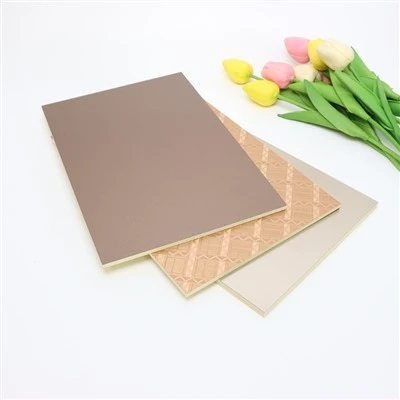
In conclusion, bamboo charcoal panels have the potential to be used in a laboratory due to their unique properties such as adsorption capacity, moisture regulation, antibacterial and deodorizing effects, and sound – absorbing properties. However, several considerations, including compatibility with laboratory experiments, fire safety, and maintenance, need to be taken into account.
PU Stone As a supplier of bamboo charcoal panels, I am confident in the quality and performance of our products. We are committed to providing high – quality bamboo charcoal panels that meet the specific needs of laboratories. If you are interested in using bamboo charcoal panels in your laboratory or have any questions about our products, please feel free to contact us for further discussion and procurement negotiation.
References
- "Bamboo Charcoal: A Review of Its Properties and Applications", Journal of Environmental Science and Technology
- "Indoor Air Quality Improvement Using Bamboo Charcoal", International Journal of Indoor Environment and Health
Shandong Dowell Decorative Material Co., Ltd.
With abundant experience, we are one of the most professional bamboo charcoal panel manufacturers and suppliers in China. We warmly welcome you to wholesale premium bamboo charcoal panel at competitive price from our factory. If you have any enquiry about cooperation, please feel free to email us.
Address: Room 913, 9th Floor, International Trade Service Center, No. 100 Lingong Road, Comprehensive Bonded Zone, Chaoyang Street, Yihe New District, Linyi City, Shandong PR, China
E-mail: info@dowellpanel.com
WebSite: https://www.dowellspcfloor.com/
