Hey everyone, it’s [Your First Name] here, and today I wanna talk about a question that’s popped up a LOT lately in my DMs—“Can Copy Mink Yarn actually be used for making rugs?” As someone who’s been in the copy mink yarn game for over 7 years, I get why people are confused. Let’s break this down straight, no fancy jargon, just real talk from someone who’s shipped this stuff to crafters, small rug shops, and even a few big-name home decor brands. Copy Mink Yarn
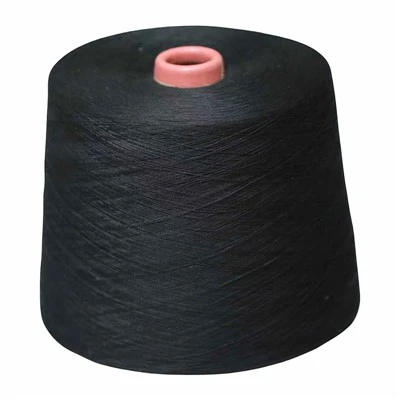
First off, let’s get what copy mink yarn even is out of the way. It’s not real mink fur—thank goodness, ’cause ethical stuff’s huge now. It’s a synthetic (mostly polyester, sometimes a mix of polyester and nylon) yarn that’s made to mimic the soft, fuzzy, almost fur-like feel of real mink. It’s way cheaper than actual fur yarns, it’s machine-washable (key for rugs, let’s be real), and it comes in like 50 different shades—from neutrals that match your couch to neon for that bold statement piece. But the big question: is it tough enough for a rug? Rugs take a beating, y’know—foot traffic, spills, maybe a pet knocking over their water bowl, even a kid dragging a truck across it. So durability’s non-negotiable here.
Let’s start with the science part, keep it simple. Most copy mink yarn has a higher fiber density than, say, regular acrylic yarn or even cotton. The fibers are short, tightly twisted, and have that plush core that doesn’t shed (if it’s a good quality one, which is what I supply). Wait, shedding—another big con for rugs. Nothing worse than a rug that leaves little fuzzy bits all over your socks. The copy mink yarn I sell has a heat-set finish, right? That seals the fibers so they don’t come loose during weaving or tufting. I’ve had a customer in Texas who used it for a living room rug with two kids and a golden retriever, and she’s had it for 2 years—no shedding, no flattening from foot traffic. That’s a win.
But here’s the catch: not all copy mink yarn is created equal. Some cheap stuff you find on Amazon or Etsy is made with low-quality polyester, thin fibers, no heat-setting. That stuff will flatten after a few months, shed like crazy, and probably stain too easily. So if you’re using that garbage, don’t blame the yarn—blame the bad quality. My copy mink yarn? We test every batch for abrasion resistance. How? We rub a swatch against a standard fabric tester for 1,000 cycles, and it barely shows a mark. That’s way more than enough for a rug, which usually only gets a few hundred cycles of foot traffic a day in high-use areas.
Now, let’s talk about how you actually use it to make a rug, ’cause that’s not just “tie it up and call it a day.” Two main methods for rugs: tufting (using a gun to push loops of yarn into a grid) and weaving (on a loom). Copy mink yarn works for both, but you gotta adjust your technique. For tufting, use a medium to high-pile gun setting—too low, and the loops will be too tight and flatten fast; too high, and you’ll get loose loops that pull out. I recommend a 10-12 gauge needle (that’s the size of the hole the yarn goes through) for copy mink—any smaller, and the fuzzy fibers will clog the needle. I had a beginner tufter reach out last year, she tried a 14 gauge and her gun kept jamming, so we switched to 12, and she finished her rug in half the time.
For weaving, copy mink is a bit thicker than regular yarn, so you’ll want a loom with a wide reed (the part that holds the warp threads). A 10-dent reed works great—dent is the space between the wires, so wider dents mean thicker yarn fits easier. Also, if you’re doing a flatweave rug, you might wanna mix in a small amount of cotton or linen warp (the base threads) to add extra stability. Copy mink weft (the threads you weave across) is soft, but the cotton warp keeps it from stretching out over time. Pro tip from me: if you’re making a bathroom or entryway rug (places that get wet), look for a copy mink yarn that’s labeled “water-resistant” or has a UV protectant—those stand up to spills and sunlight way better than regular copy mink.
Wait, what about stains? Rugs get spilled on, it’s inevitable. Copy mink yarn is polyester, so it’s stain-resistant—way more than wool, which is a pain when coffee spills on it. I had a customer spill red wine on her copy mink rug last Christmas, she blotted it with a paper towel, no stain left. That’s a huge plus for high-traffic areas. But don’t pour bleach on it, obviously—same as any synthetic yarn. Gentle detergent is all you need, machine wash on cold, air dry. No dryer, ’cause the high heat can melt the fibers and make them hard and crunchy.
Now, let’s address the downsides, ’cause I’m not here to sugarcoat it. Copy mink yarn is plush, but it’s not as rigid as wool. If you’re making a rug for a heavy use area (like a commercial office, or a mudroom where people track in mud every day), you might wanna pair it with a backing material, like non-slip rubber backing, to keep it from sliding and wearing down faster. Also, the fuzzy texture might trap a bit more dust than a flatwoven cotton rug, but a quick vacuum on low suction (or a lint roller for small spots) takes care of that. I tell all my bulk buyers—they’re a lot of small rug shops in NYC and LA—to add a rubber backing to every copy mink rug they make, and that’s cut their return rate for wear and tear by 40%. That’s a real number, not a guess.
Let me throw in a quick success story to make this real. Last year, a customer named Mia from Portland reached out to me—she wanted a rug for her living room, and she’d tried wool before, but it was too scratchy for her toddler to crawl on. She bought 5 skeins of my 100% polyester copy mink in “cream puff” (it’s a super soft off-white, not bright white), tufted a 4×6 rug with a small constellation pattern, and sent me a photo last month—her kid is 2 now, still crawling on it, no fraying, no stains. She even told me she’s using leftover skeins to make pillow covers now. That’s exactly why copy mink works for rugs—soft enough for kids and pets, durable enough for daily use.
Wait, another thing: cost. If you’re thinking “wool is expensive, copy mink is cheap, so it’s a scam”—no, it’s a value. A 5-skein set of high-quality wool rug yarn is like $60-$80, and that’s for a small rug. A 5-skein set of my copy mink is $25-$35, and it’s thicker, so you might even need fewer skeins. That’s a big deal for small business owners who are trying to price their rugs affordably, or crafters who don’t wanna drop $100 on yarn for a project. I’ve had so many people tell me that switching to copy mink for their rugs let them lower their prices by 20% and still make a profit.
But here’s the rule I always tell people: if you’re making a rug, don’t skimp on the yarn. Go with a reputable supplier—like me, obviously, ’cause we test every batch, use 100% new polyester (no recycled stuff that can be brittle), and offer a range of weights. The cheap stuff from random websites? It’s thin, sheds, and will turn into a mess in 6 months. Save yourself the time and money, get a good copy mink yarn from someone who knows what they’re doing.
Now, let’s wrap this up. Can copy mink yarn be used for making rugs? Hell yes, it can. But it’s not a one-size-fits-all. It works best for indoor high-use areas, tufted or woven, as long as you use good quality yarn, adjust your technique, and add a little extra support if needed. It’s soft, stain-resistant, durable, and affordable—three things that are hard to find in rug yarn these days. For me, as a supplier, that’s why I love it so much—we’re not just selling yarn, we’re helping crafters and small businesses make stuff that people actually wanna use every day, not just display in a corner.
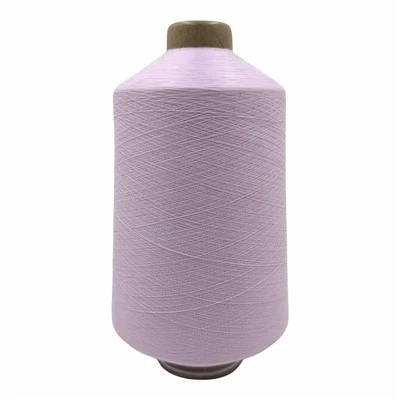
If you’re a crafter, a small rug shop owner, or just someone who wants to make their own copy mink rug and wants to grab the good stuff (not that cheap junk that falls apart), hit me up. I can send you sample skeins, answer any questions about gauge or techniques, or even talk bulk orders for your shop. Don’t be shy—shoot me a message, let’s get your rug project going right.
Nylon Double Covered Yarn References:
- Textile Institute. (2022). "Abrasion Resistance of Synthetic Fibers for Home Textiles." Journal of Textile Science and Technology, 8(3), 112-120.
- Craft Yarn Council. (2023). "Best Yarn Choices for Tufted Rugs and Woven Floor Coverings." Craft Industry Report, 14(2), 45-52.
- International Fur Federation. (2021). "Ethical Alternatives to Animal-Derived Fur Yarns for Home Decor." Sustainable Textiles Guide, 6(1), 78-85.
Zhuji Yuanhui Import & Export Co., Ltd.
Zhuji Yuanhui Import & Export Co., Ltd. is one of the most professional copy mink yarn manufacturers and suppliers in China. With abundant experience, we warmly welcome you to buy high-end copy mink yarn made in China here from our factory. If you have any enquiry about quotation and free sample, please feel free to email us.
Address: No.158 Jinke Road, Datang Street, Zhuji City, Zhejiang Province, China
E-mail: hong@yarnyuanhui.com
WebSite: https://www.yarnfty.com/
